Bio
“Whether you regard him as an acoustic singer-songwriter, a soulful vocalist, or a superb and innovative bassist, his talent is undeniable” - Time Out Magazine
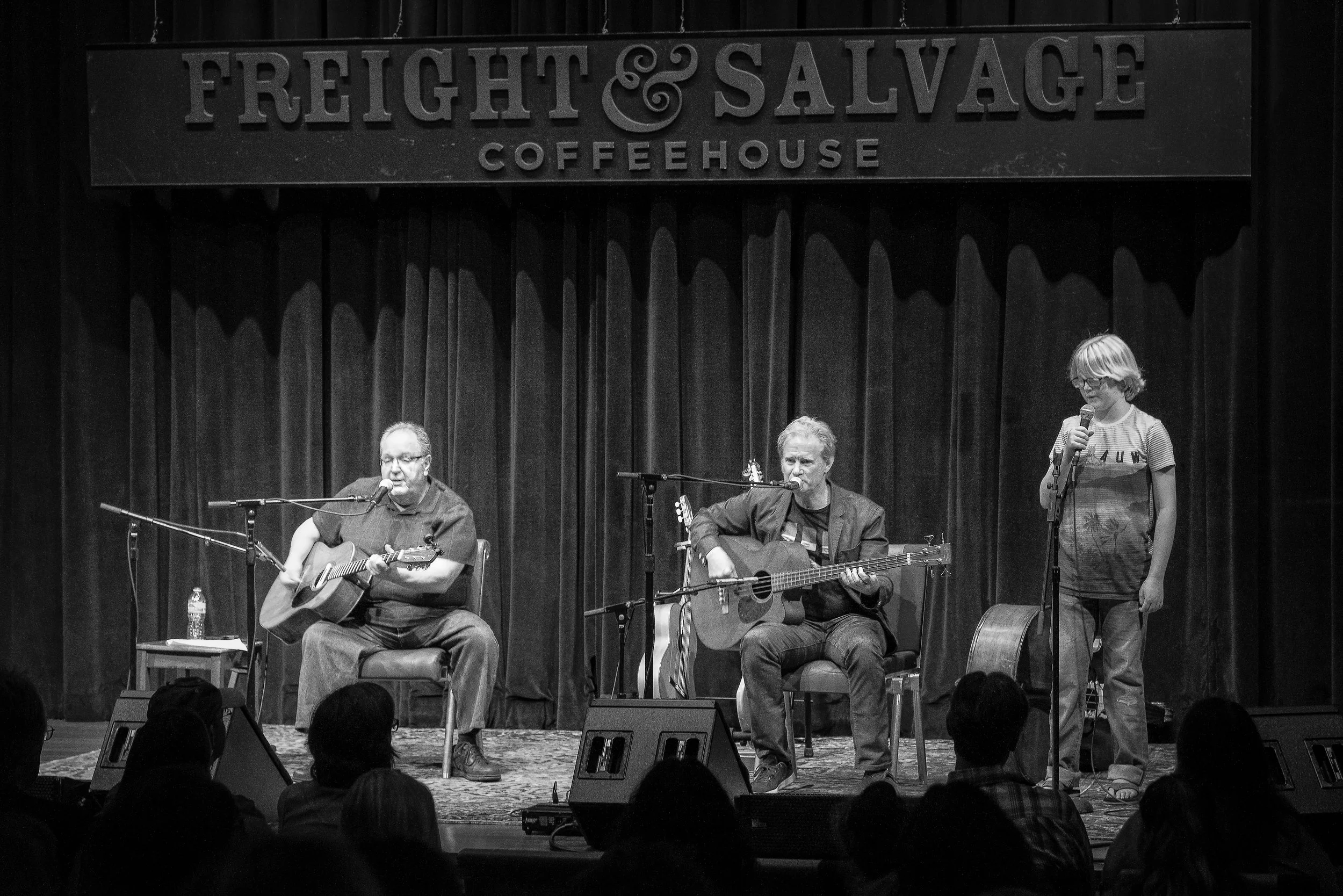
John Lester is an award winning singer-songwriter-bassist-guitarist from the San Francisco Bay Area who has, throughout his career, had one foot in the folk/rock/acoustic music scene and the other in jazz and improvised music. He has six albums to his credit, first releasing Live at The Freight and Salvage back in 2001. He has been releasing singles including “Boxcars in the Sky” (2025), a protest song that was inspired by the organization “Witness At The Border” and the light-hearted tune about his home town of Half Moon Bay, California, entitled “Paradise at 63 Degrees” (2026).
John’s most recent full length album, Fathers and Sons, is a collection of his most personal and powerful work. Inspired by the often unspoken family relationships between men, each song messages the love, pain, tension, struggle, and questions that arise and confound these ties and bonds. From the full acceptance and embrace of a young boy’s gender fluidity in “The Beautiful Princess of Never Come True”, to the merciful attempts at reconciliation with an estranged father during his final days in “The High Road”, to the feeling of forever growing family love in “Real, Real Love”, John’s life experience as a father, husband, son, teacher, and story teller is felt throughout each song as well.
“Great writing from local musician John Lester.” - Rosalie Howarth (KFOG’s Acoustic Sunrise)
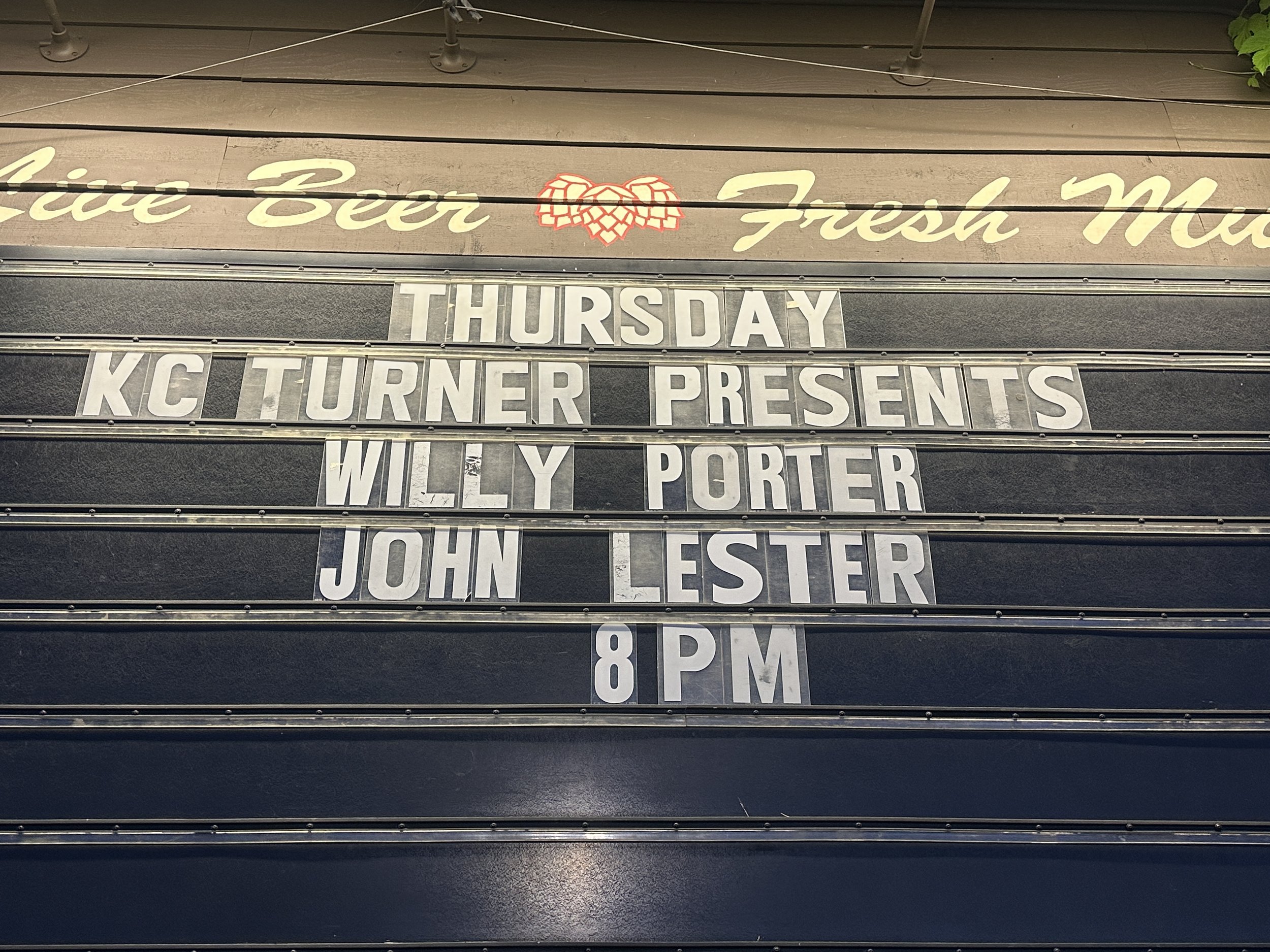
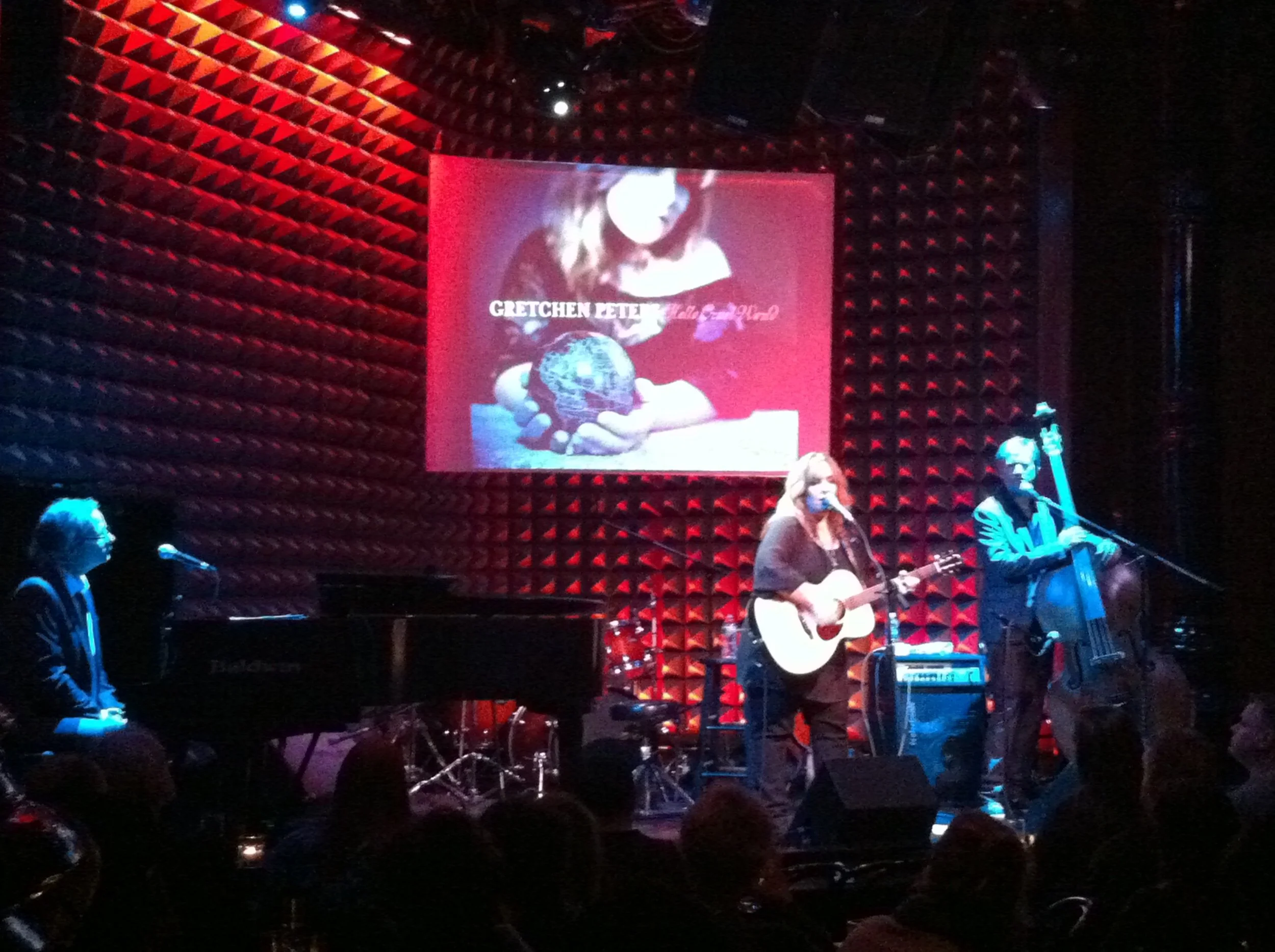
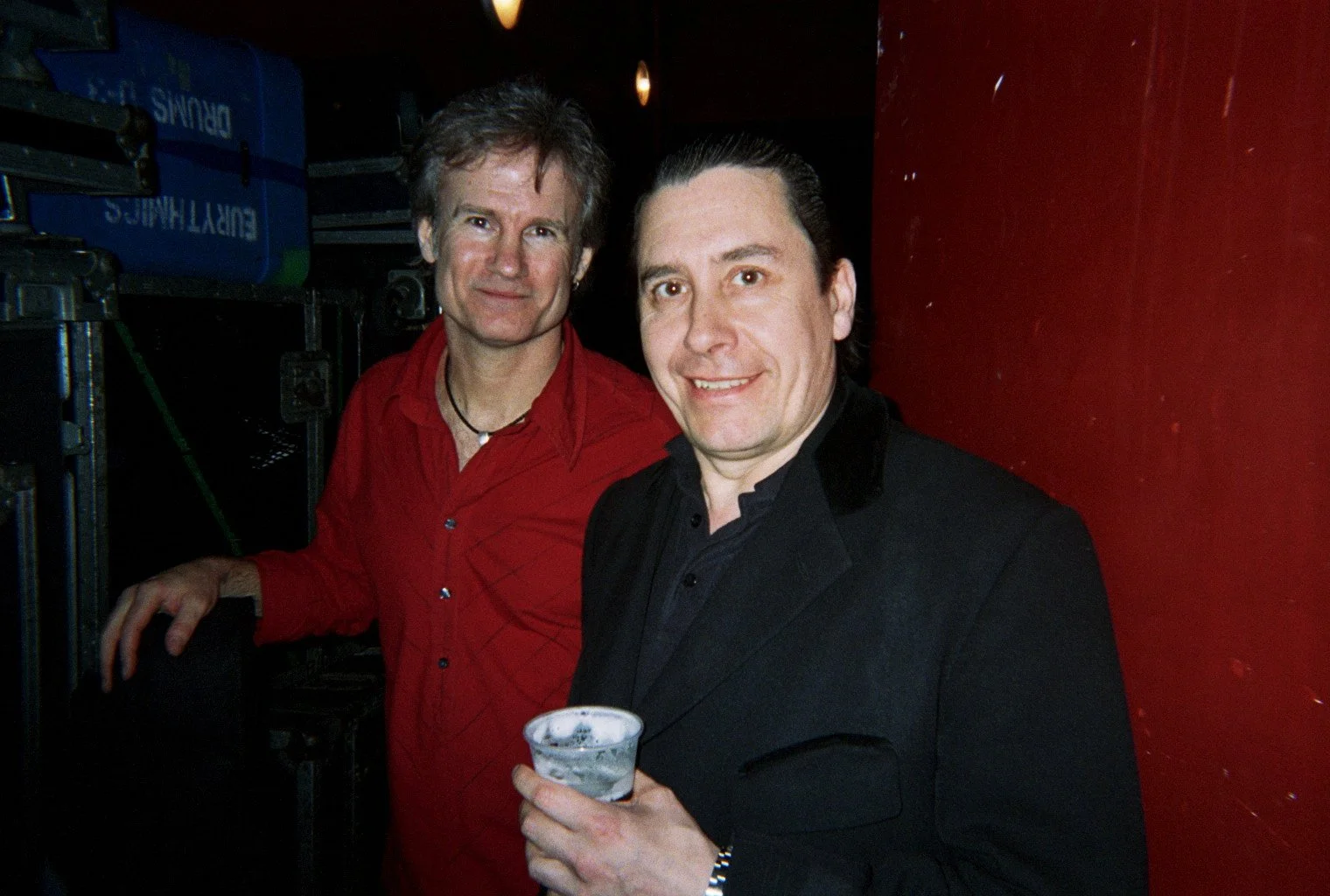
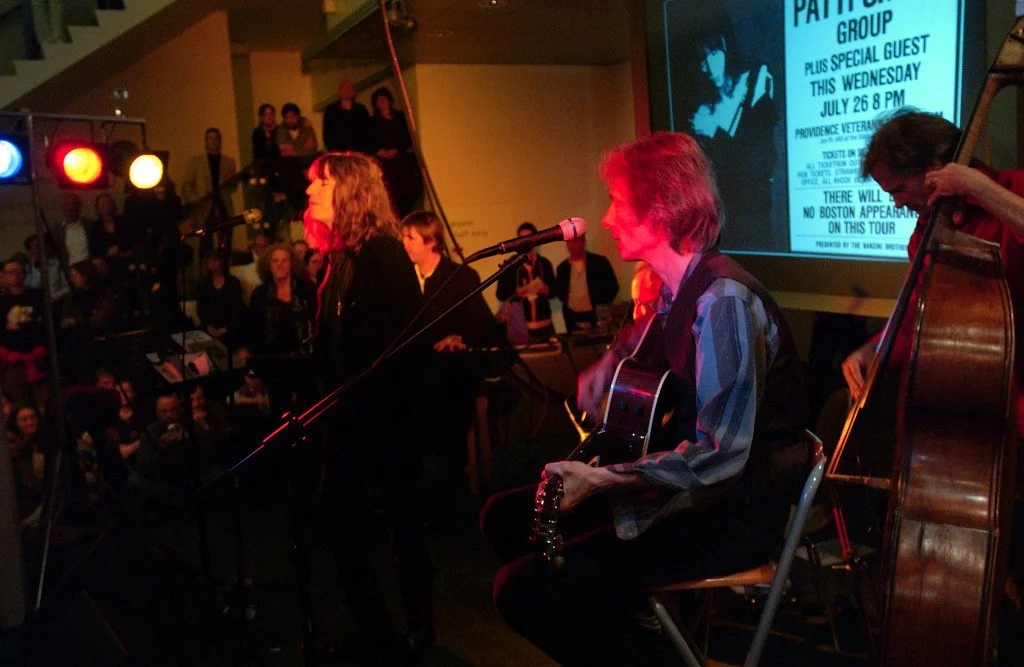
As a bassist John spent years as a side person and his talents on the bass have been utilized by such diverse artists as Nashville hit-songwriter Gretchen Peters, Concord Jazz Label’s Full Faith and Credit Big Band, folk-master Peter Rowan, modern acoustic troubadour Willy Porter, and punk rock’s poet laureate Patti Smith. He has been a featured artist at both European Bass Day and UK Bass Day, and has toured with fellow bass virtuosos Michael Manring and Steve Lawson. His experience as a musician brings a wide diversity to both his playing and writing styles.
“Lester’s USP is his supreme mastery of all possible variations of bass guitar, and his use of them as lead instruments. His understated virtuosity demands attention!”
- Maverick Magazine, UK
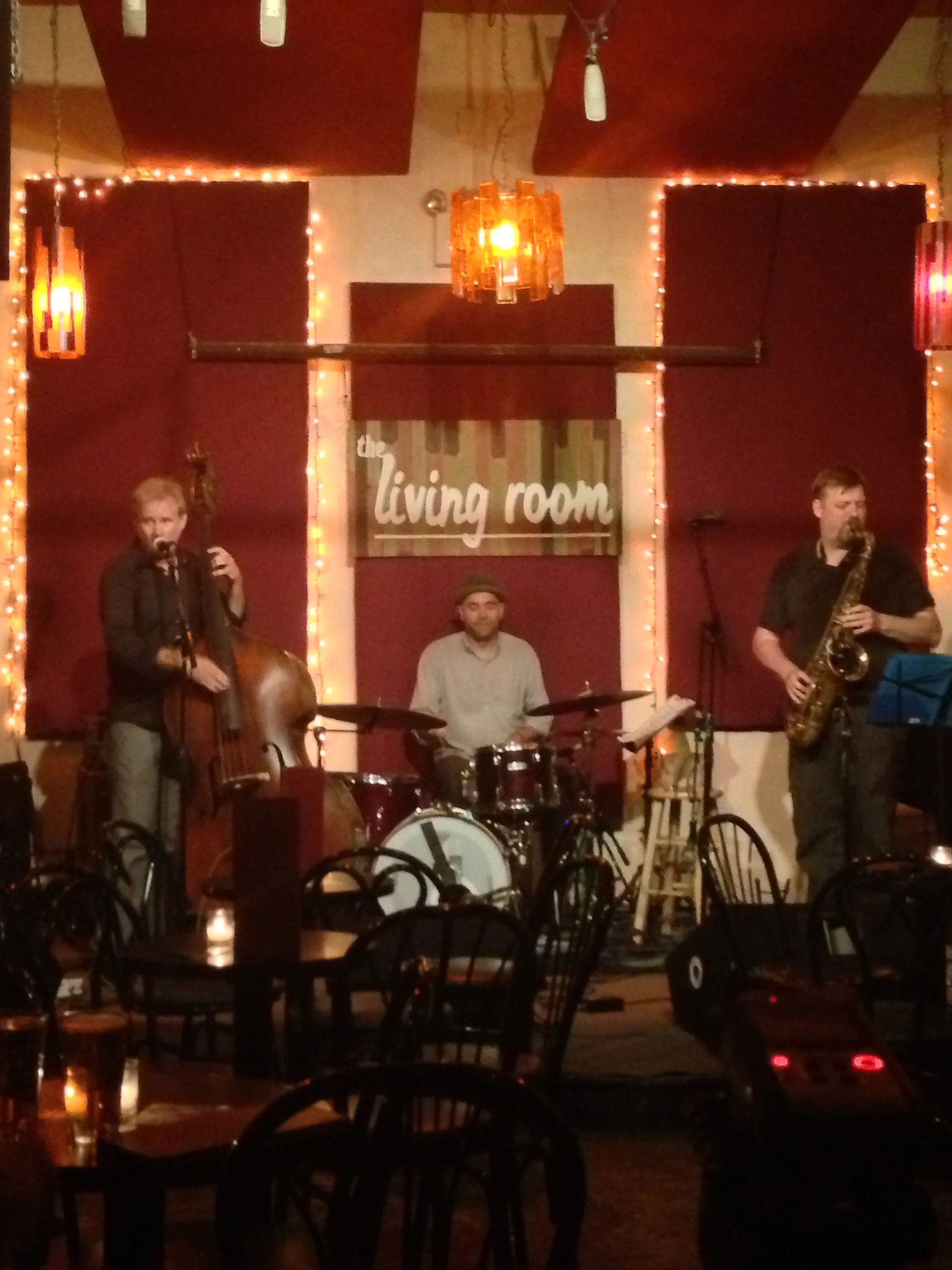
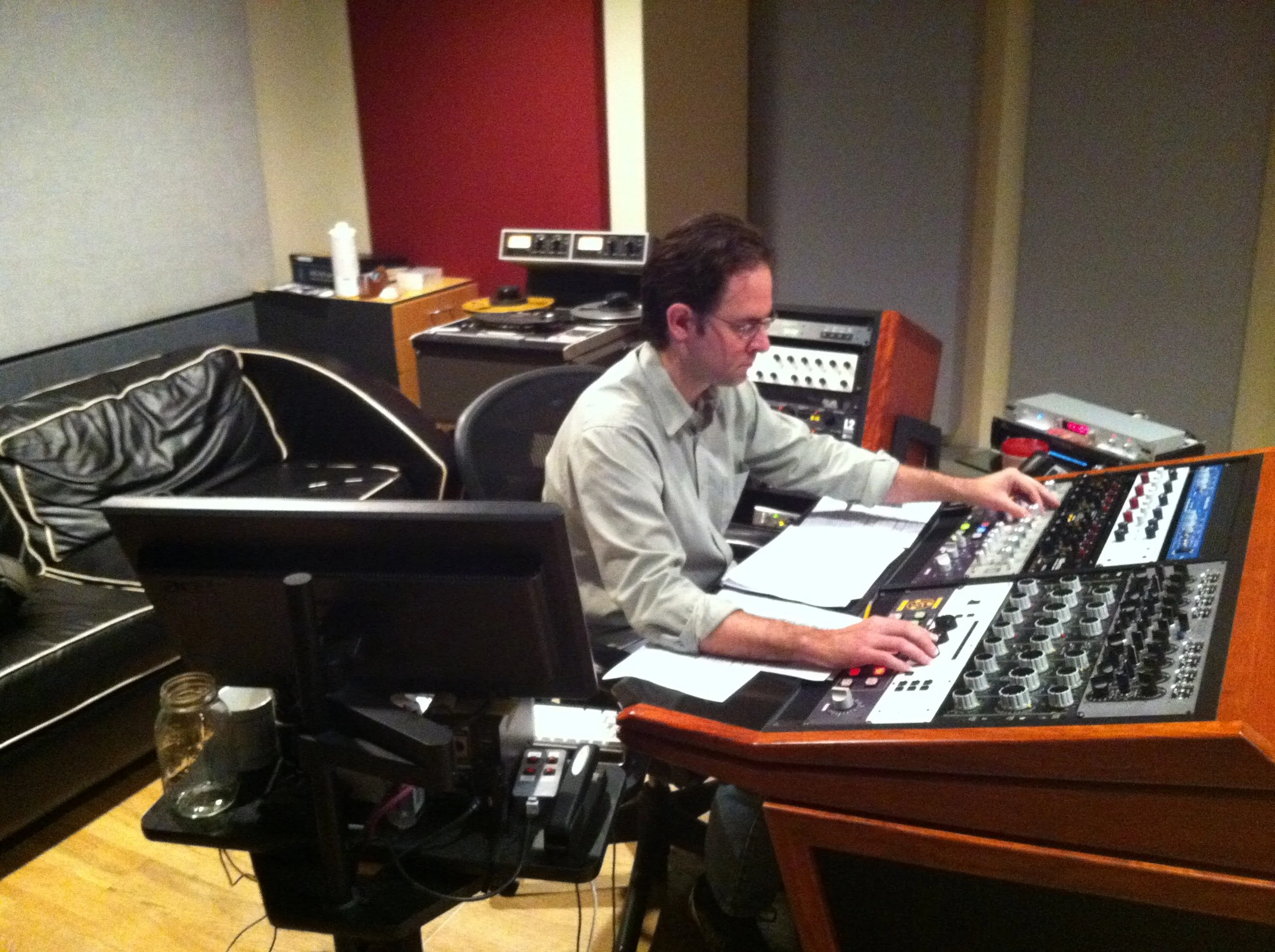
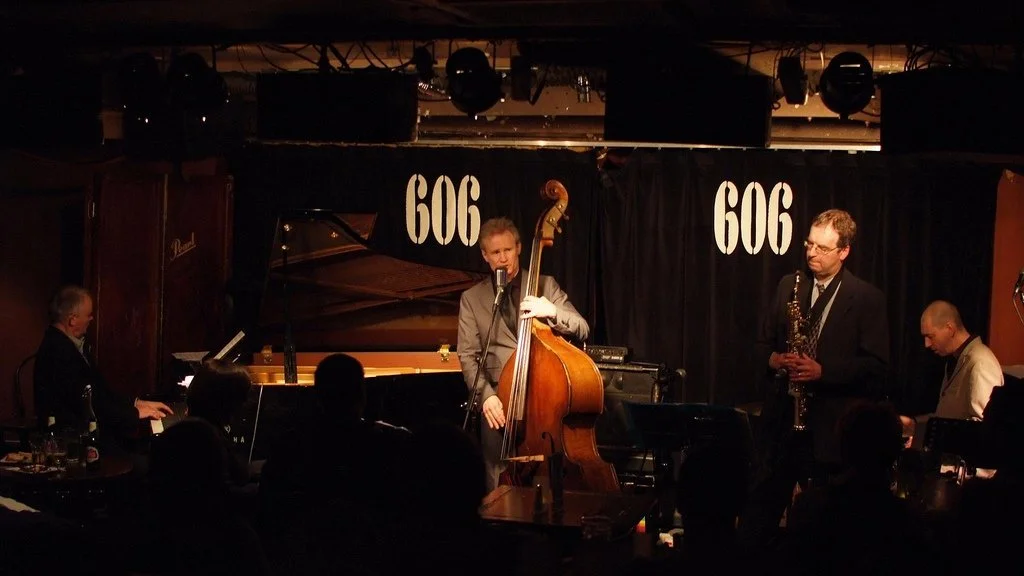
John’s love of both jazz and modern pop/rock songwriting inspired him to record his 2012 album “Jazz?”, a collection of rock songs performed as straight ahead jazz. The project was recorded in London and mixed in New York City. It featured John on upright bass and vocals, Theo Travis on sax, Steve Lodder on piano, and Davide Giovannini on drums. Completely self-promoted, “Jazz?” made it into the Top 100 of the Jazzweek charts in fall of 2012 and spring of 2013. Living in NYC at the time of the album launch, John played jazz clubs with a quartet featuring Michael Wolff on piano, Joel Frahm on sax, and Tim Bulkley on drums.
“On each track, singer-bassist John Lester strikes me as someone who knows how to tell the story, allowing the listener to hear these songs in compelling new ways.” - Bob Rogers, taintradio.org, JazzWeek's Internet Station of the Year 2011
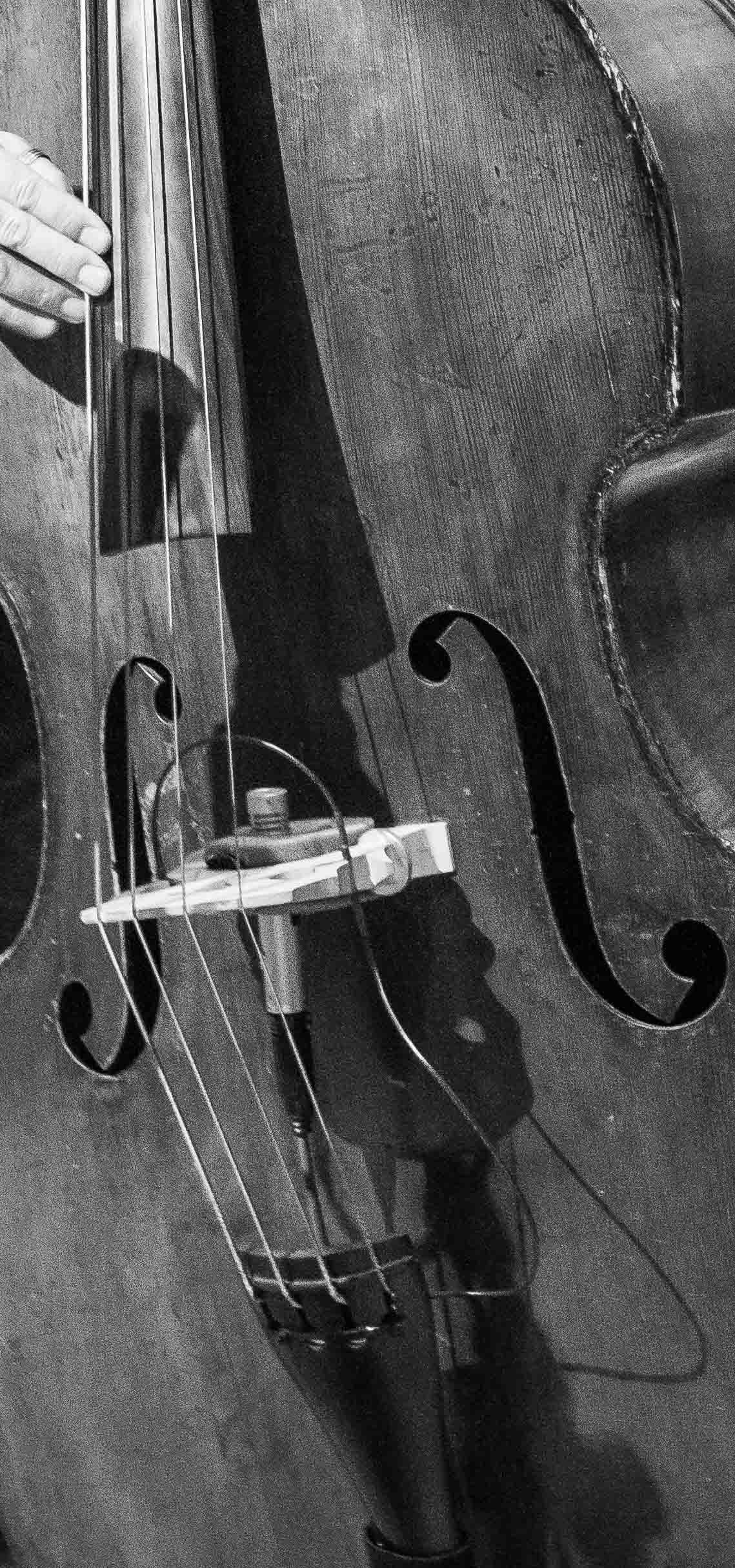
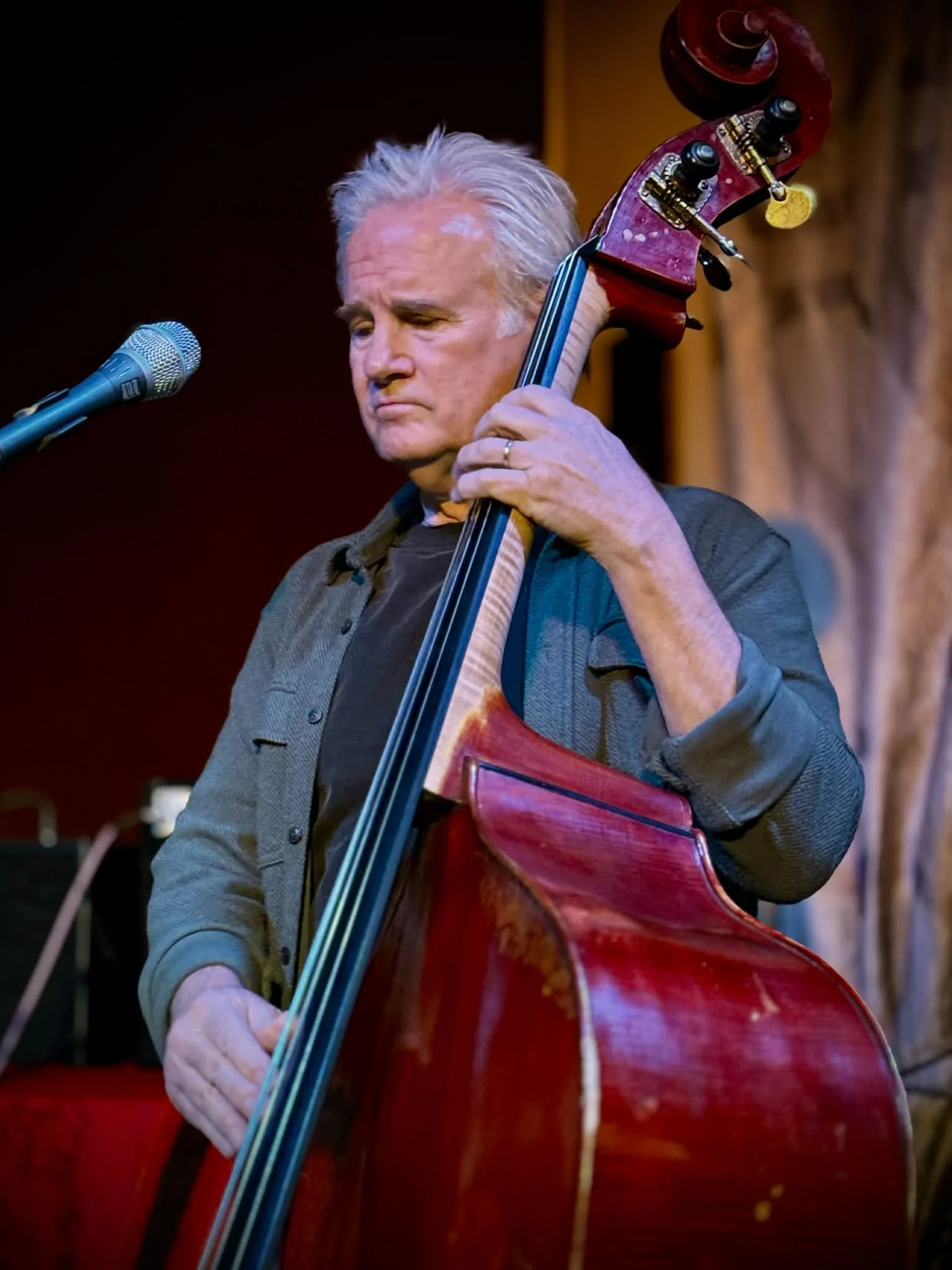
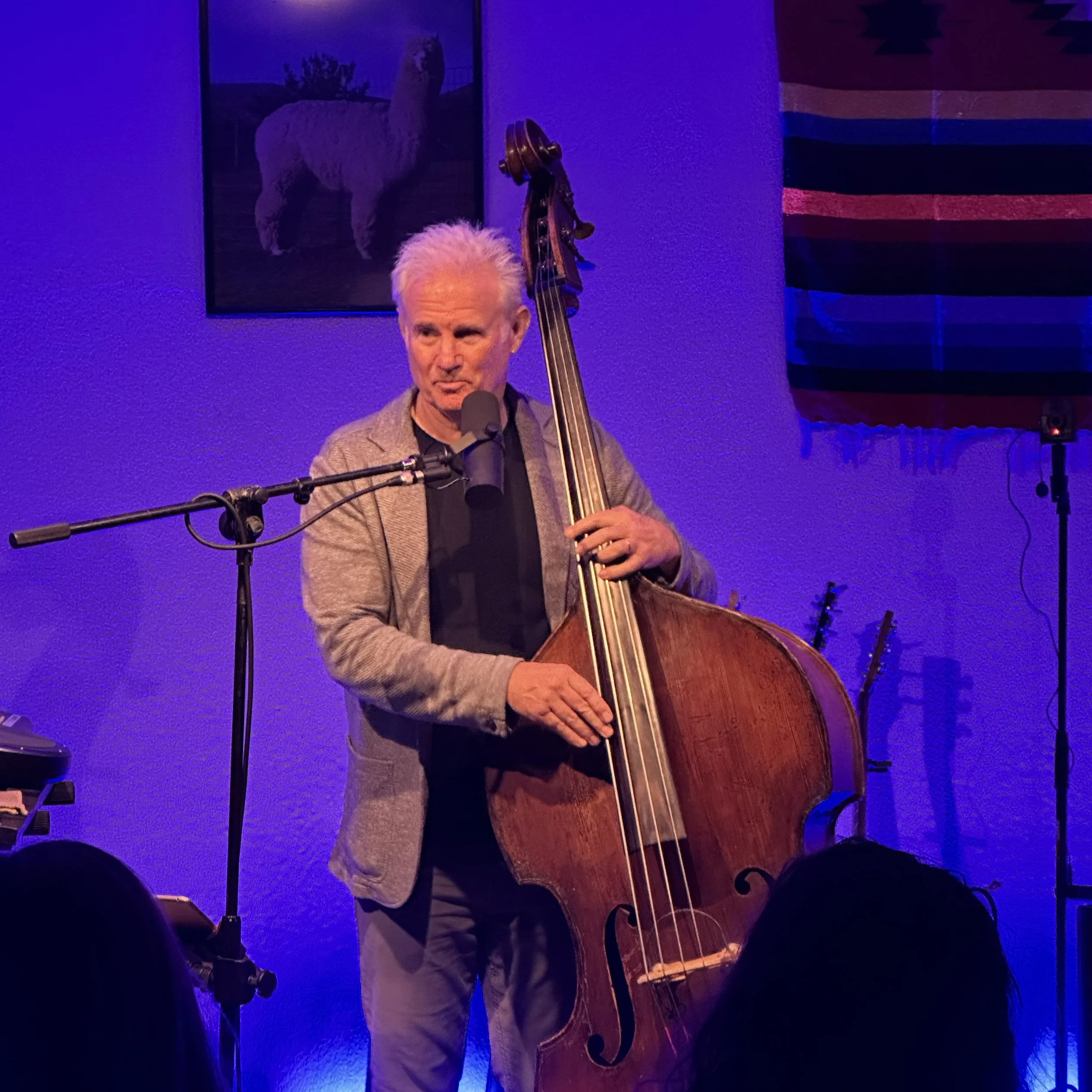
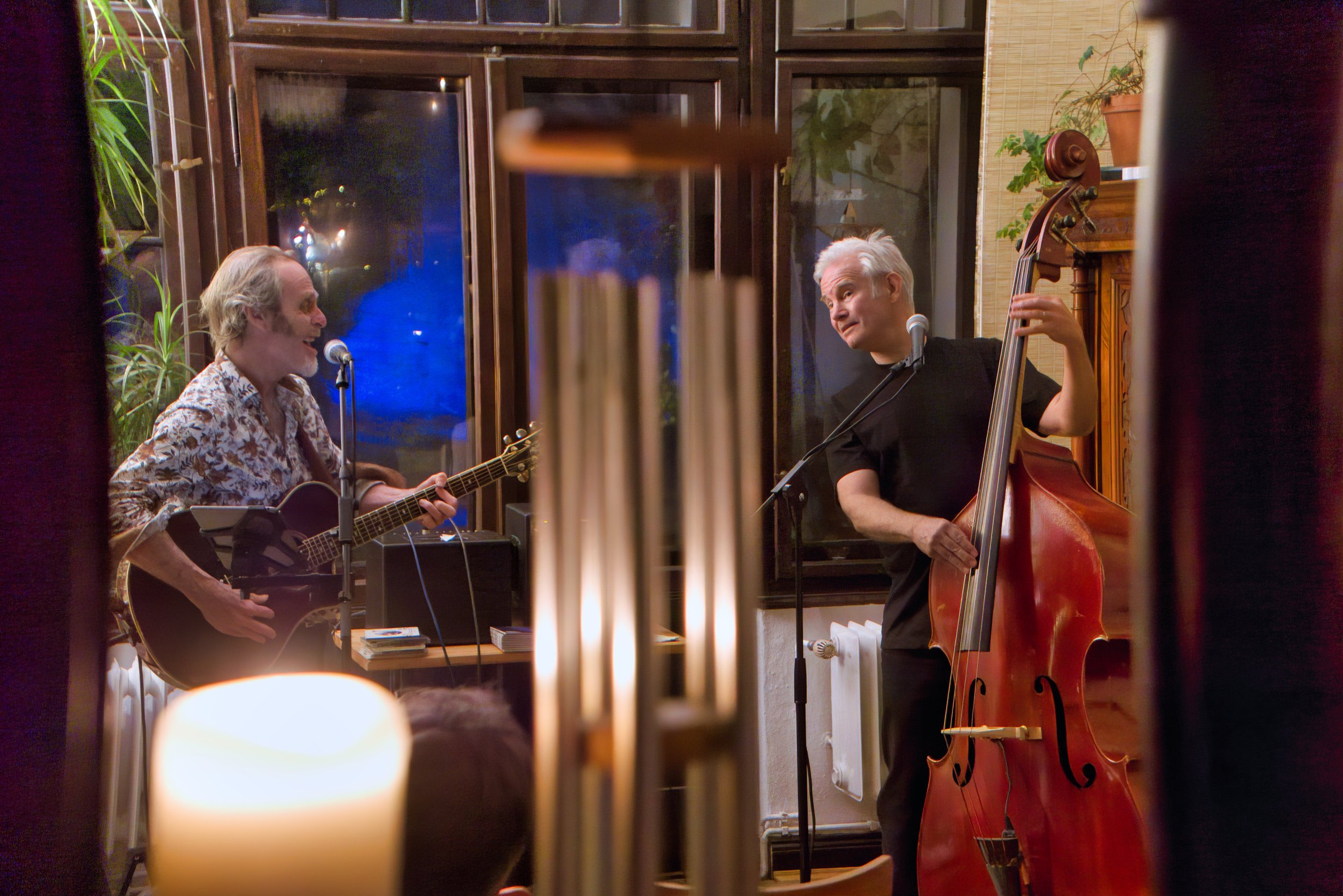
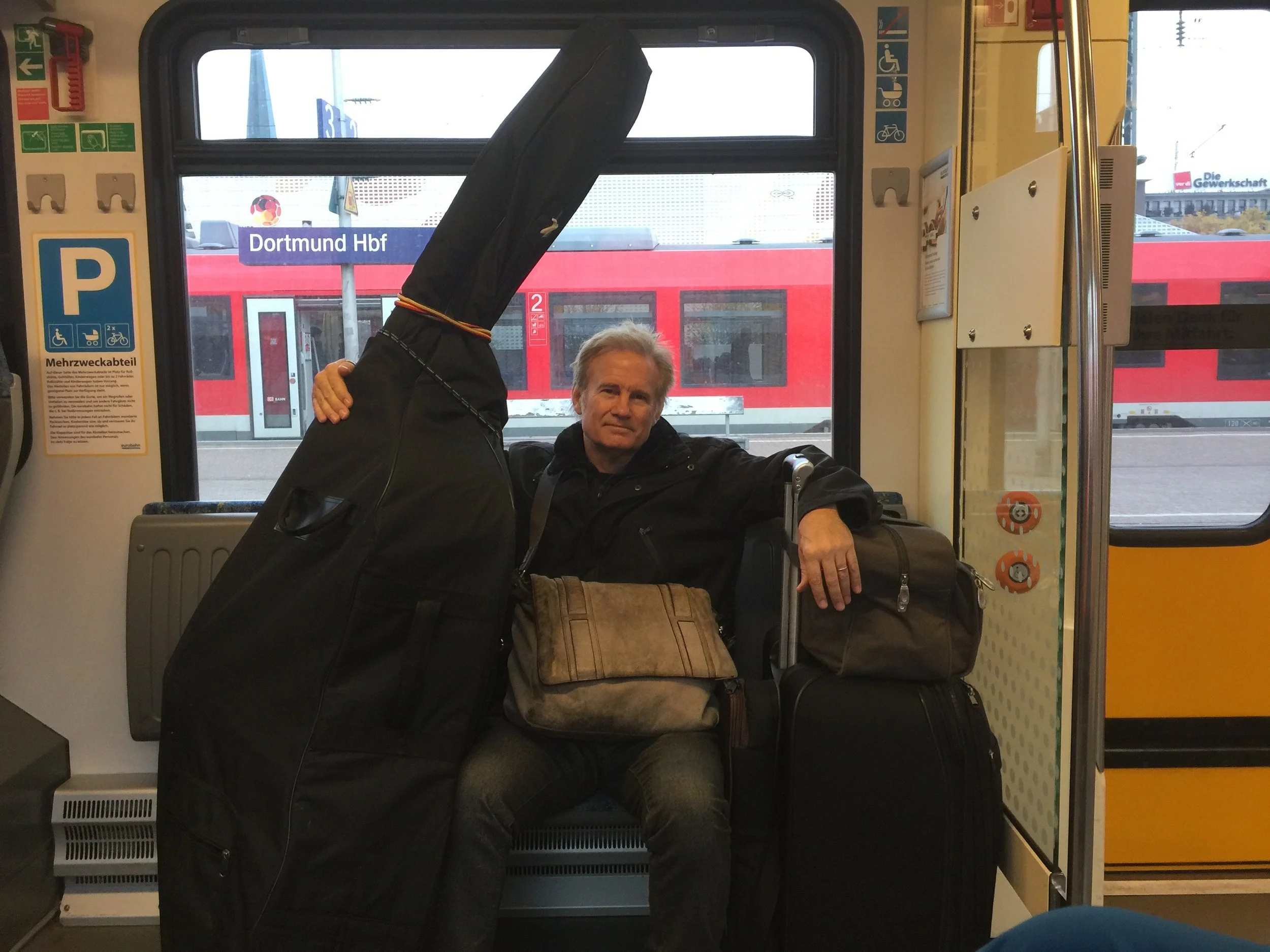
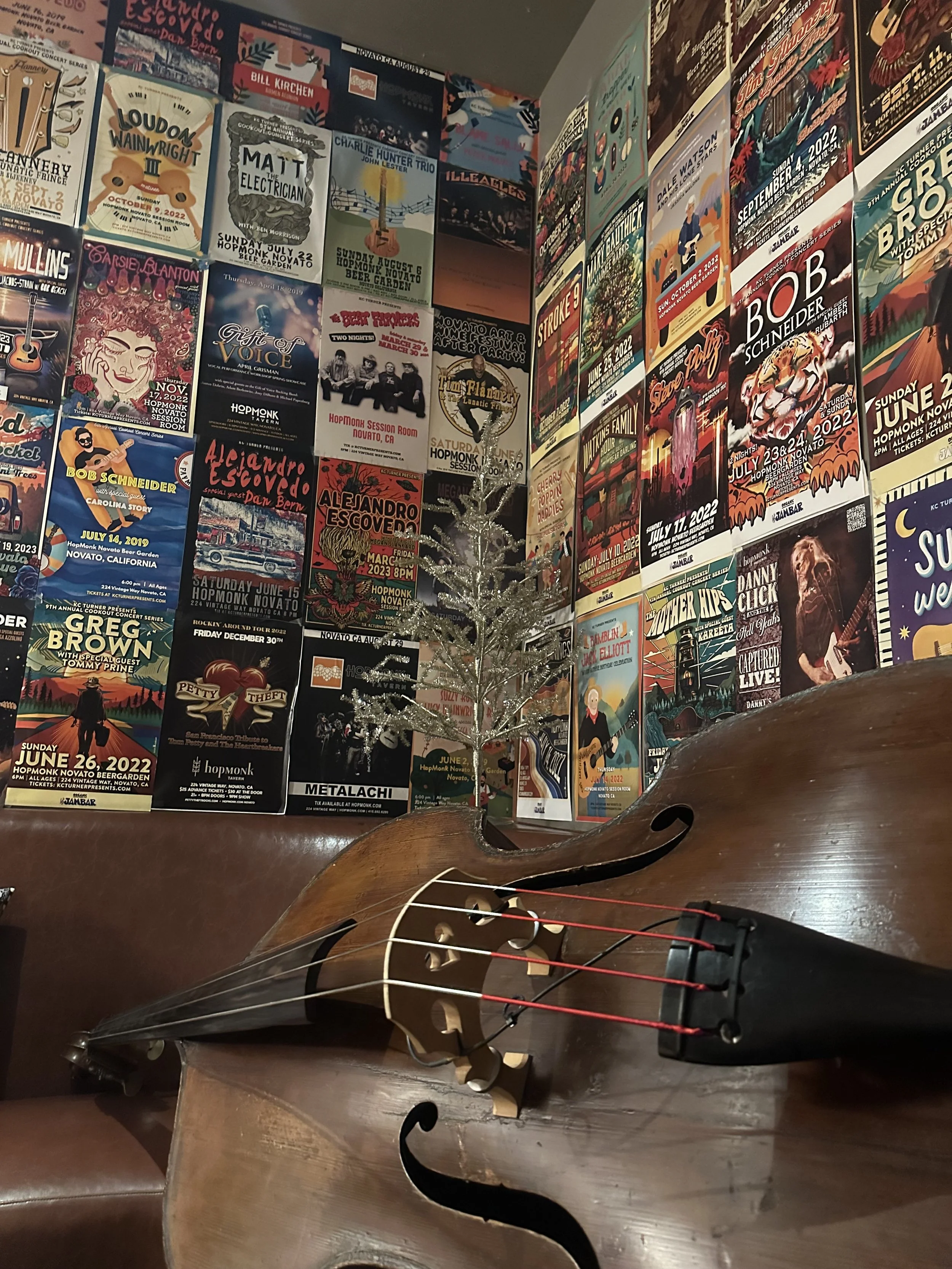
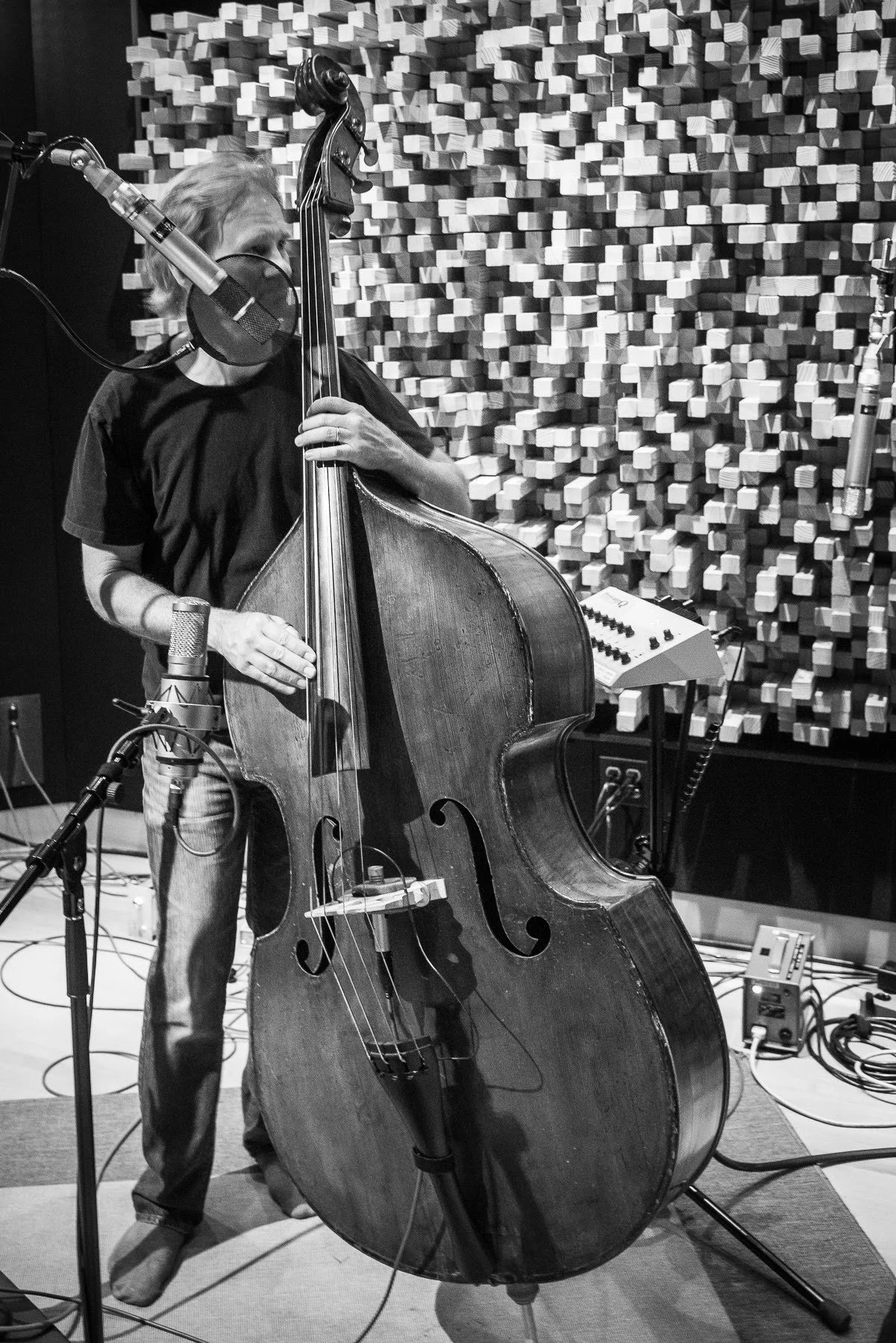
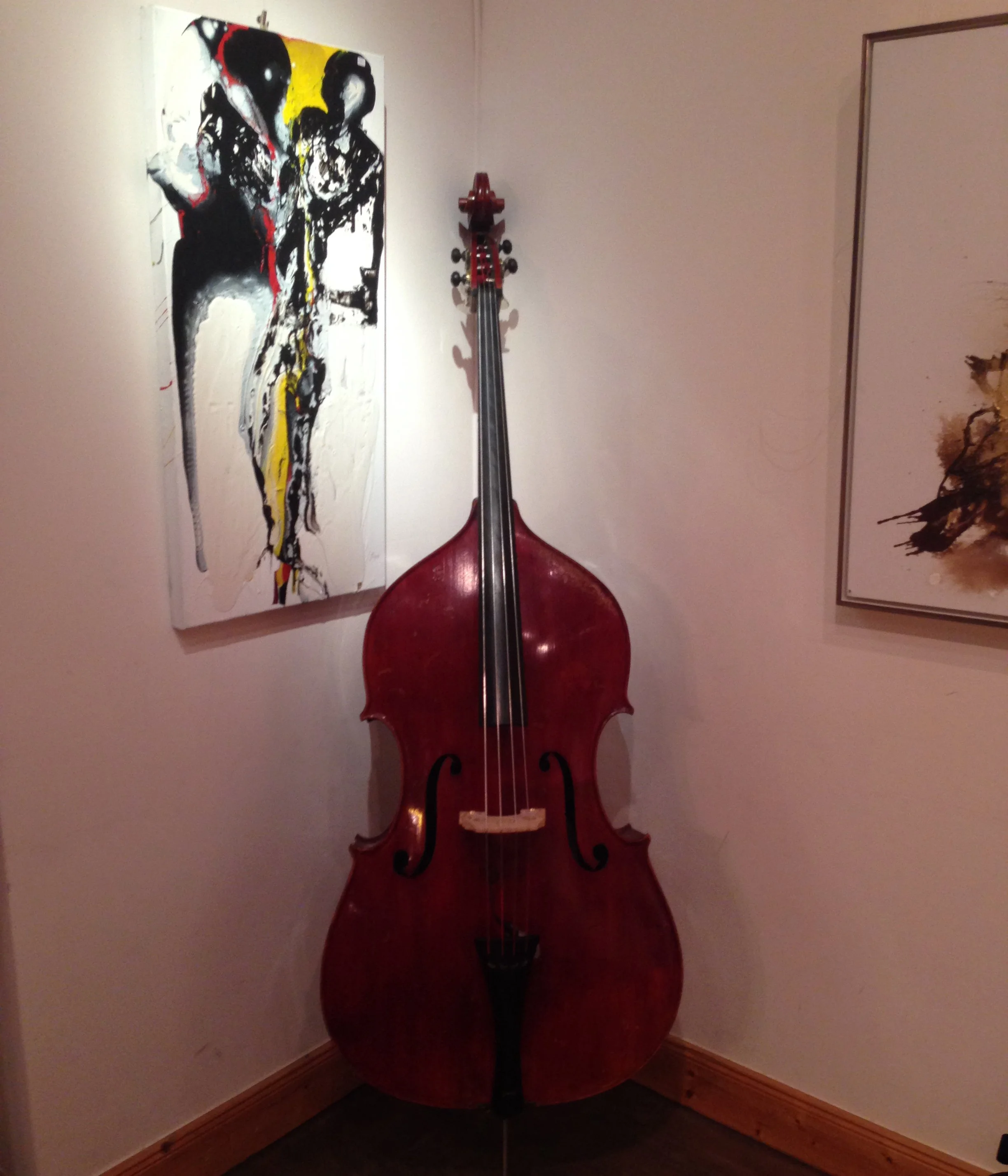
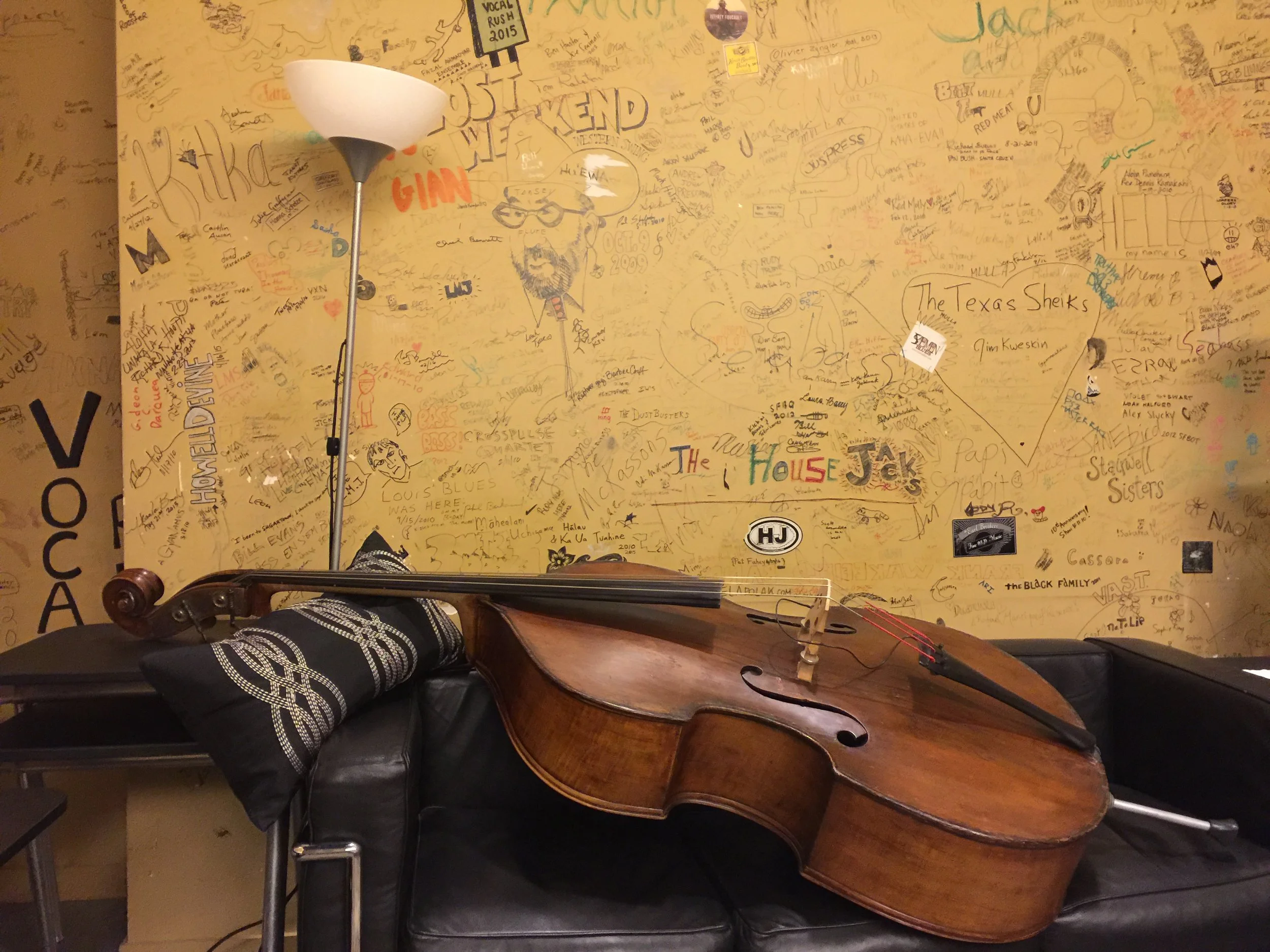
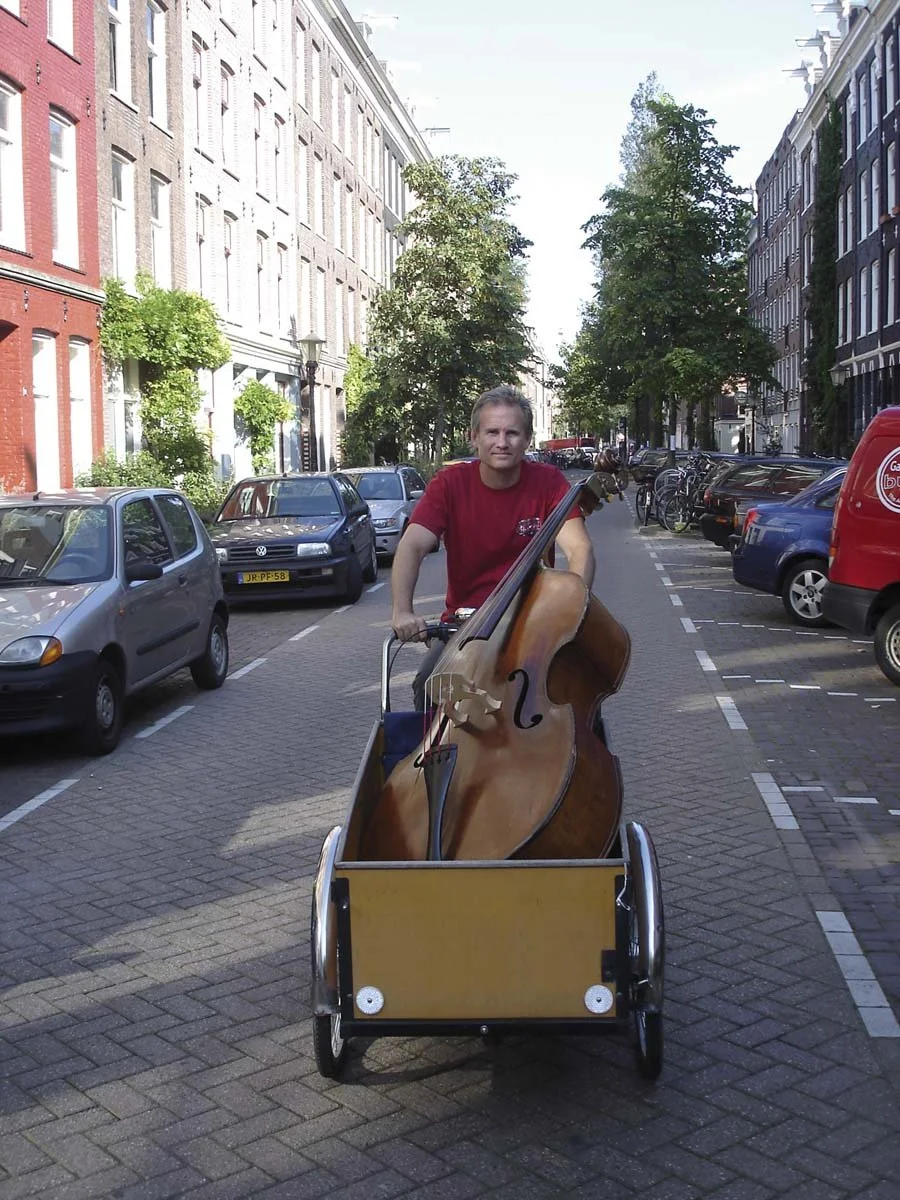
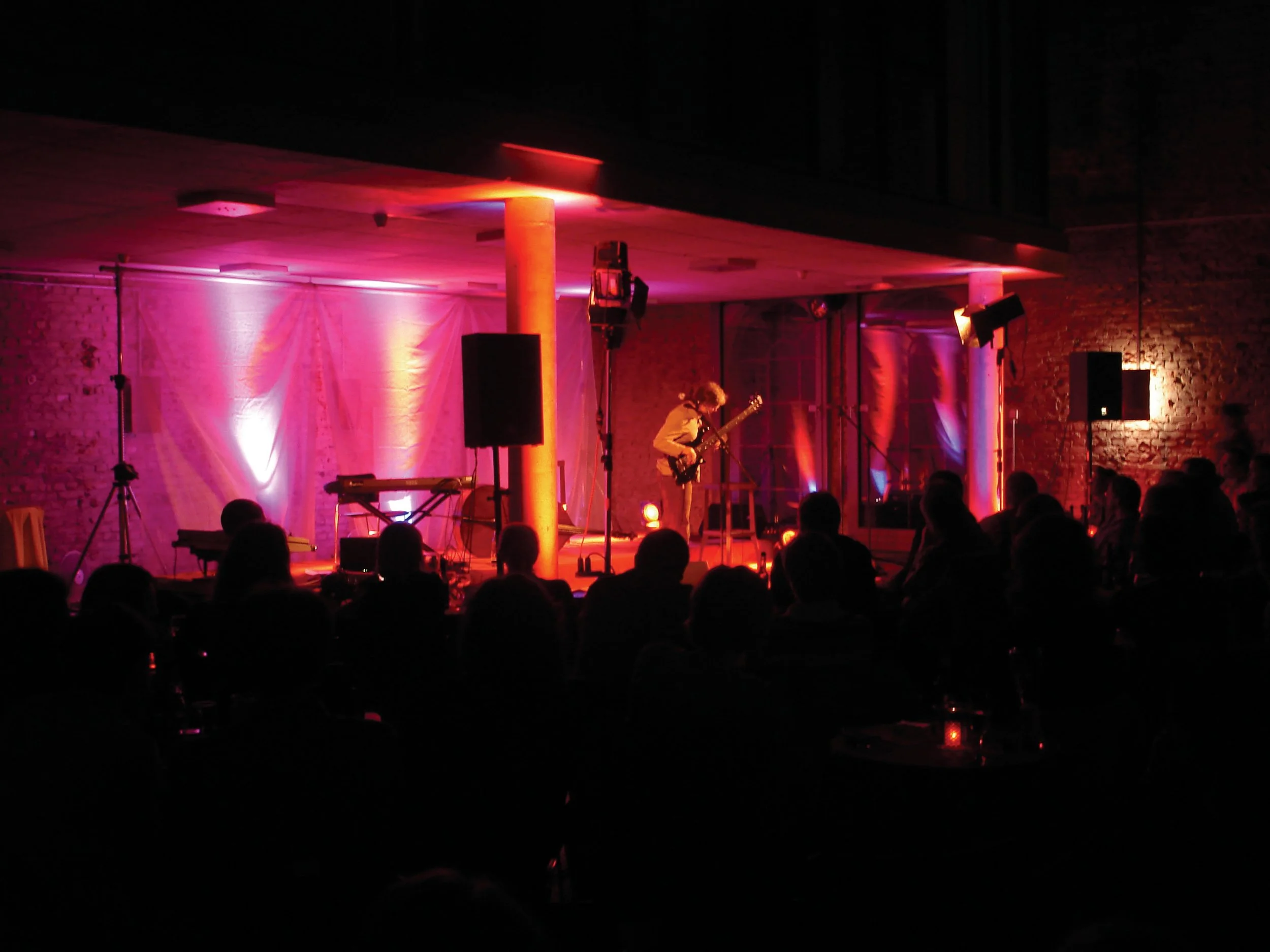
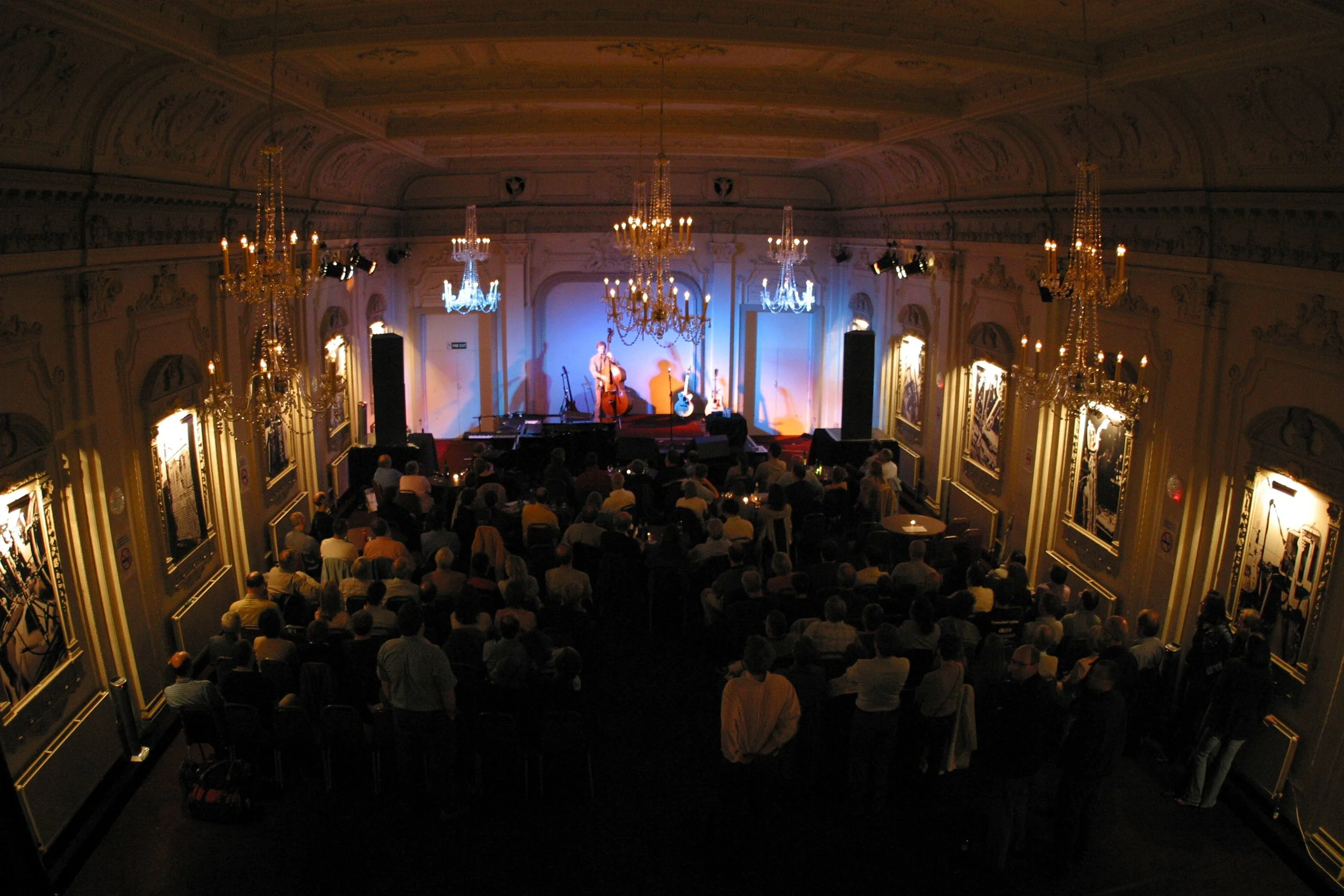
As a solo performer, John created a show centered around his 105-year-old upright bass named Sarah (after Sarah Vaughan, for her lovely vocal-like quality). After years as a bassist in bands, John stepped onto the stage at an open mic at The Hotel Utah in San Francisco in the late 90’s and sang a little blues original with just Sarah to back him up. The success of that experience, many years ago now, led to John continuing to develop his unique performances as a singer-songwriter-bassist. He has now toured throughout the US and Europe as a solo act.
“A gifted double bass player and a fine singer-songwriter with a rich smoky voice.” - Time Out London
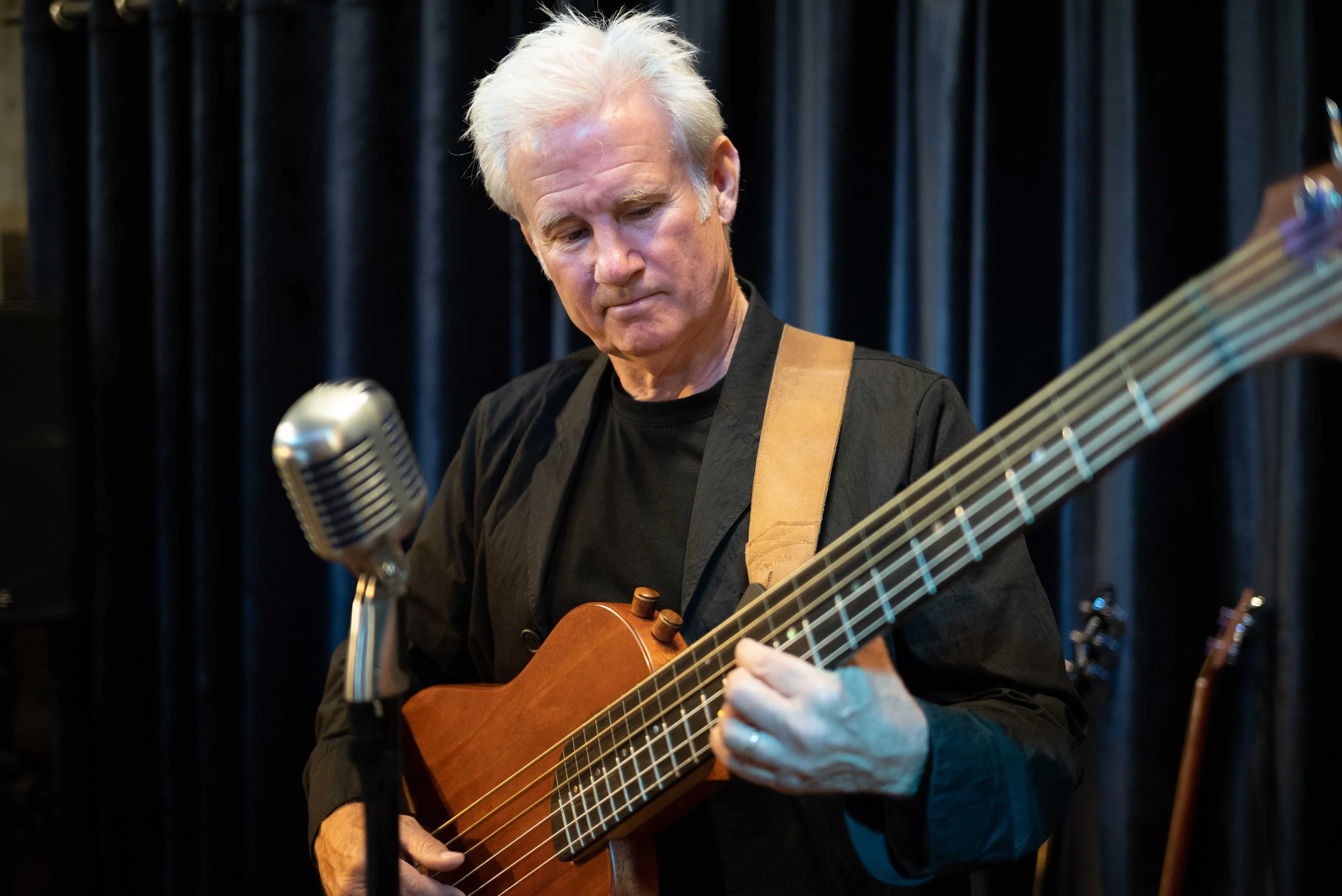
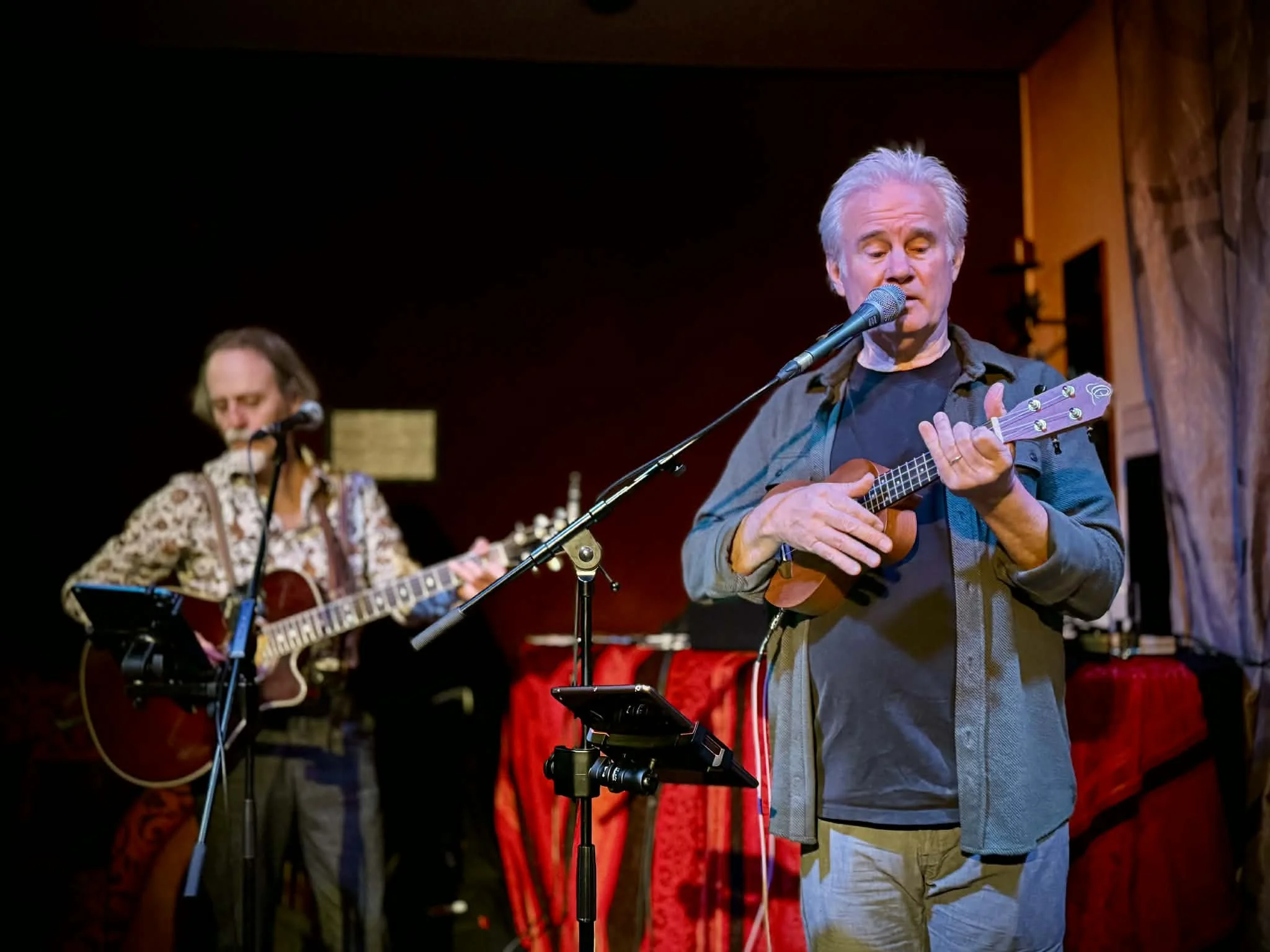
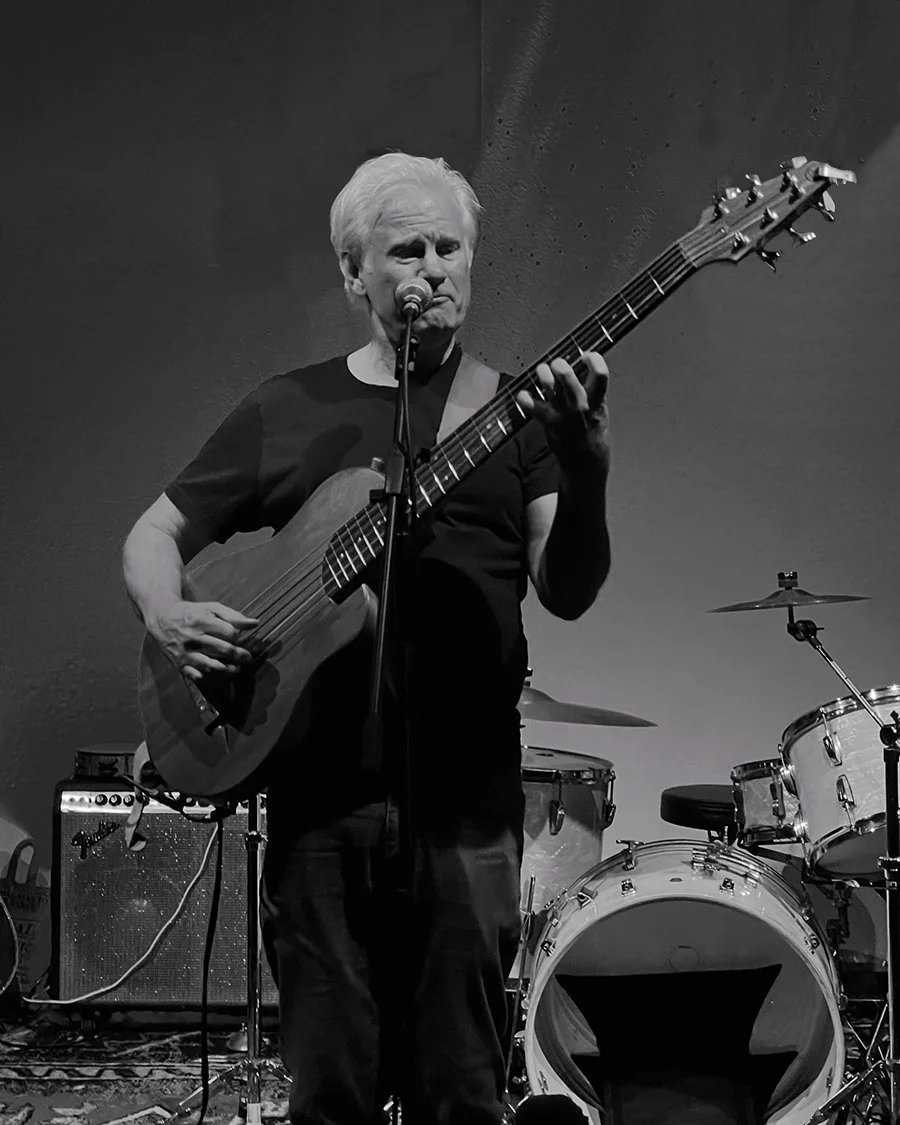
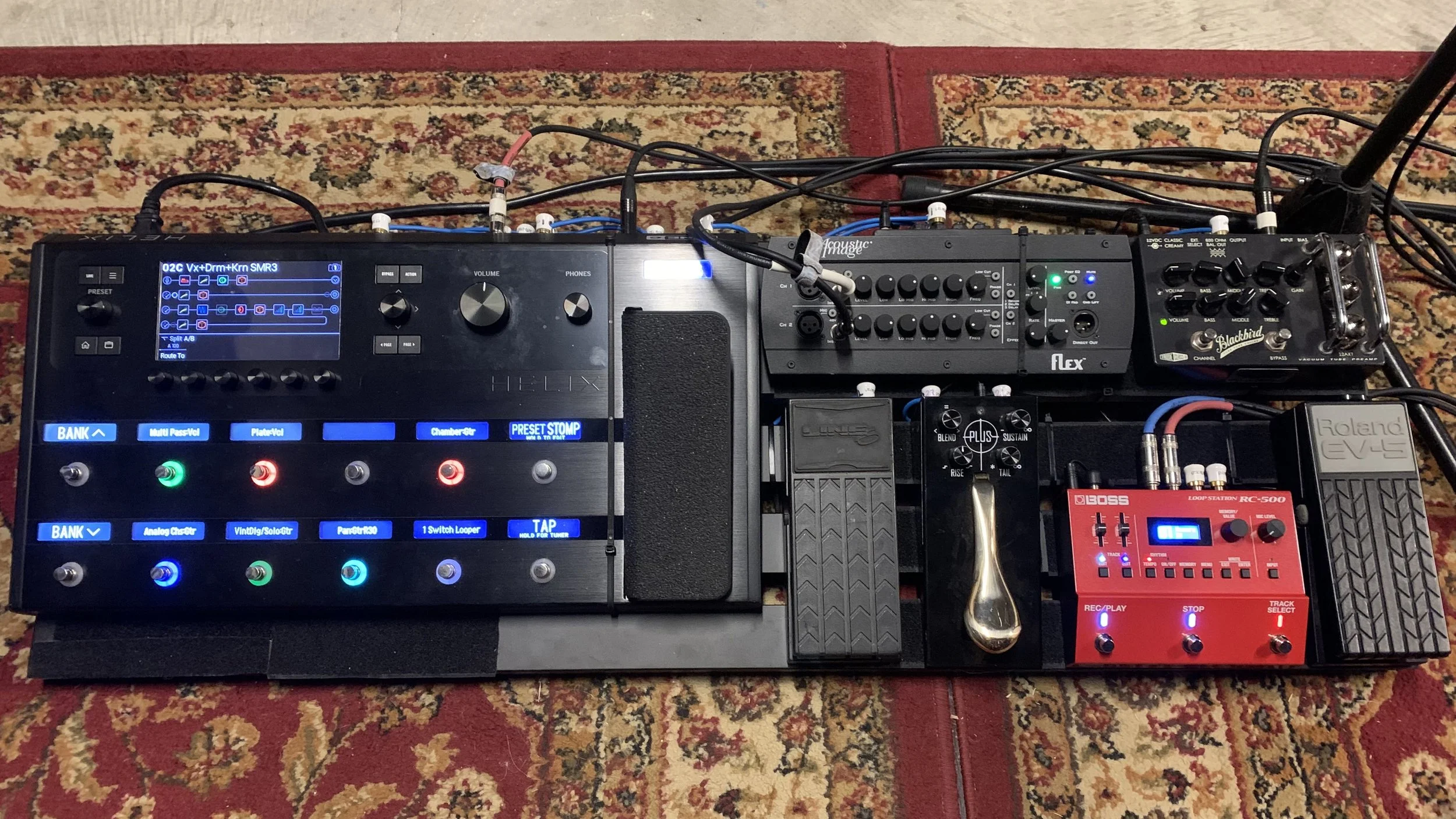
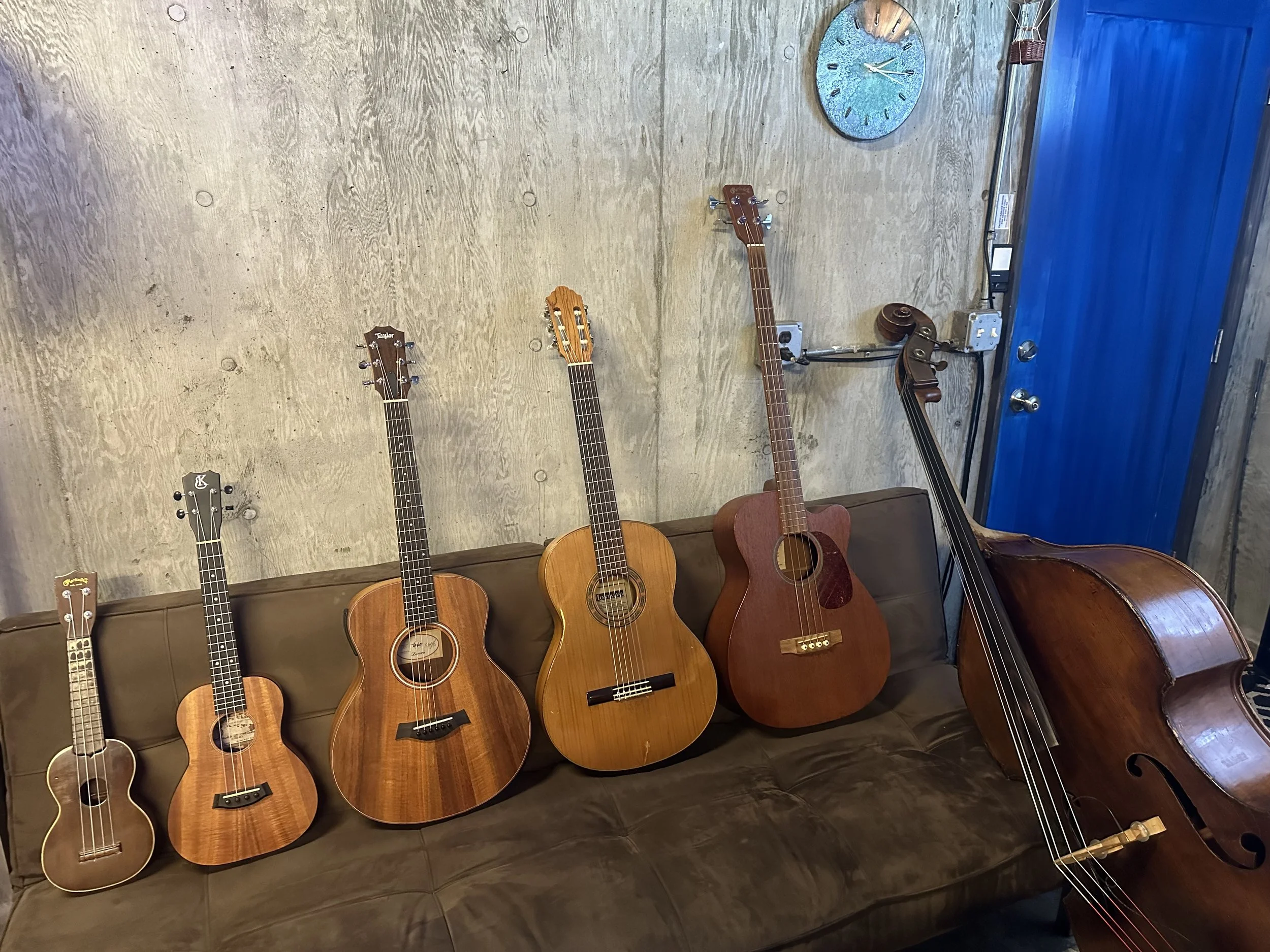
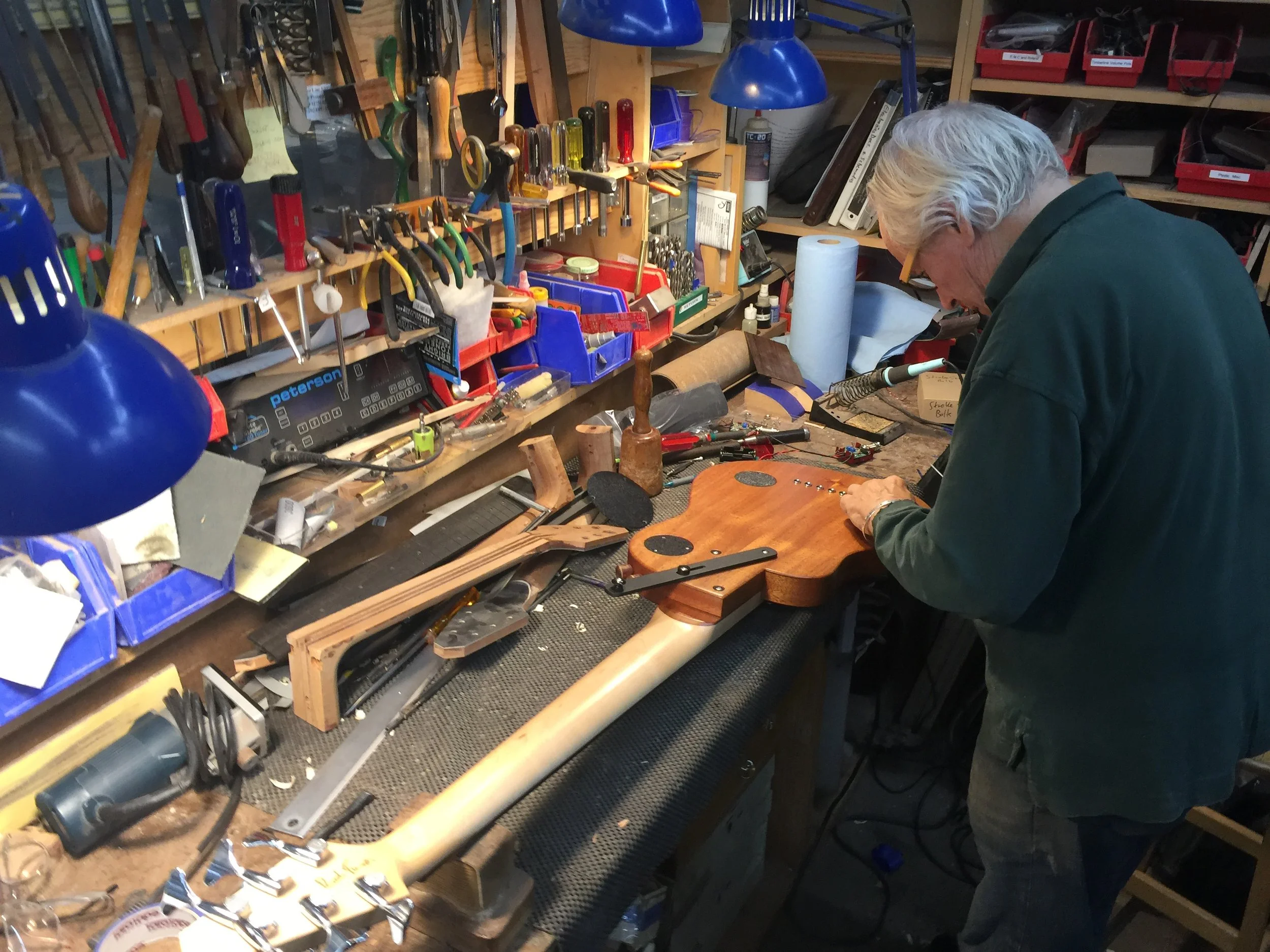
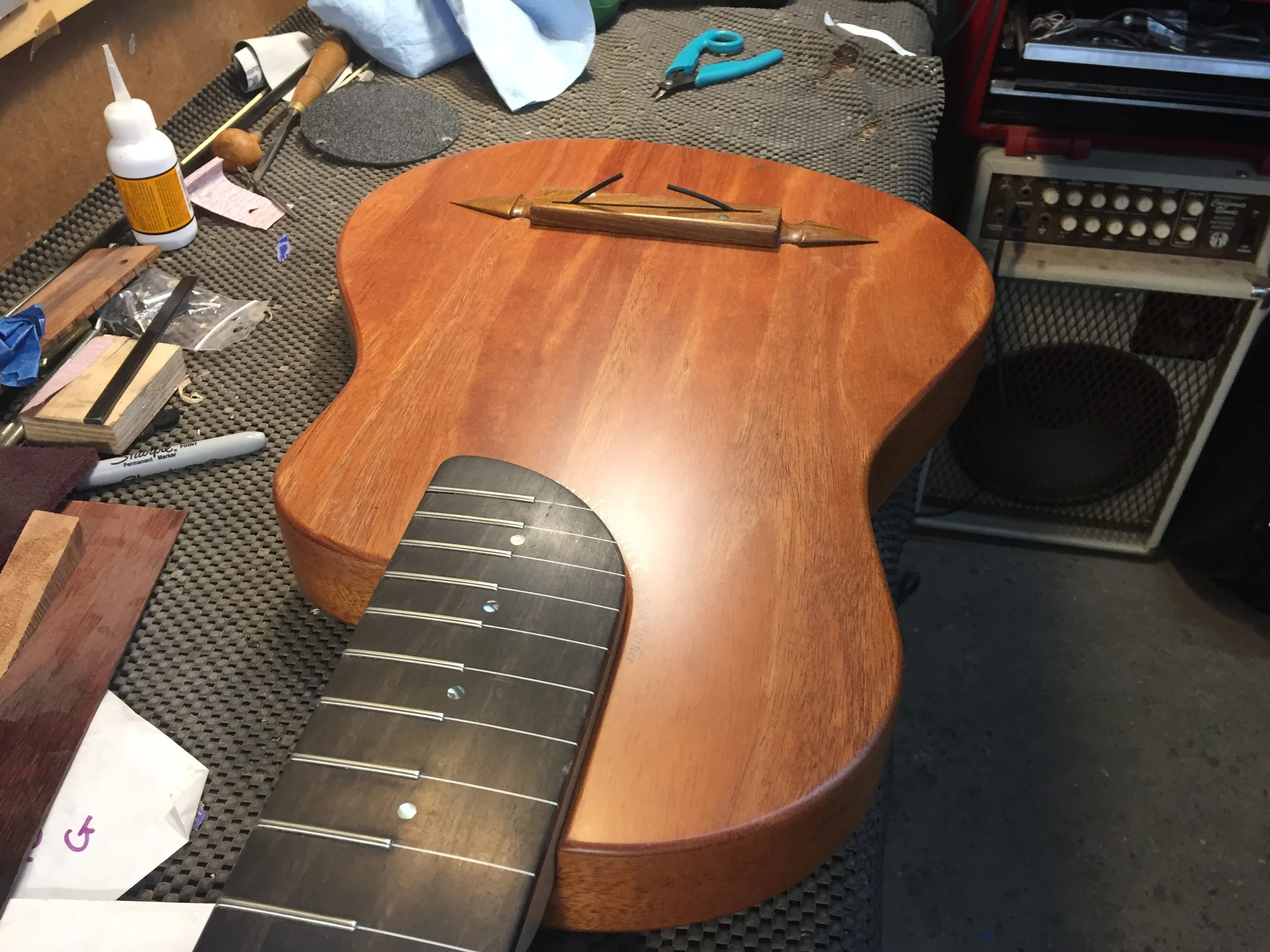
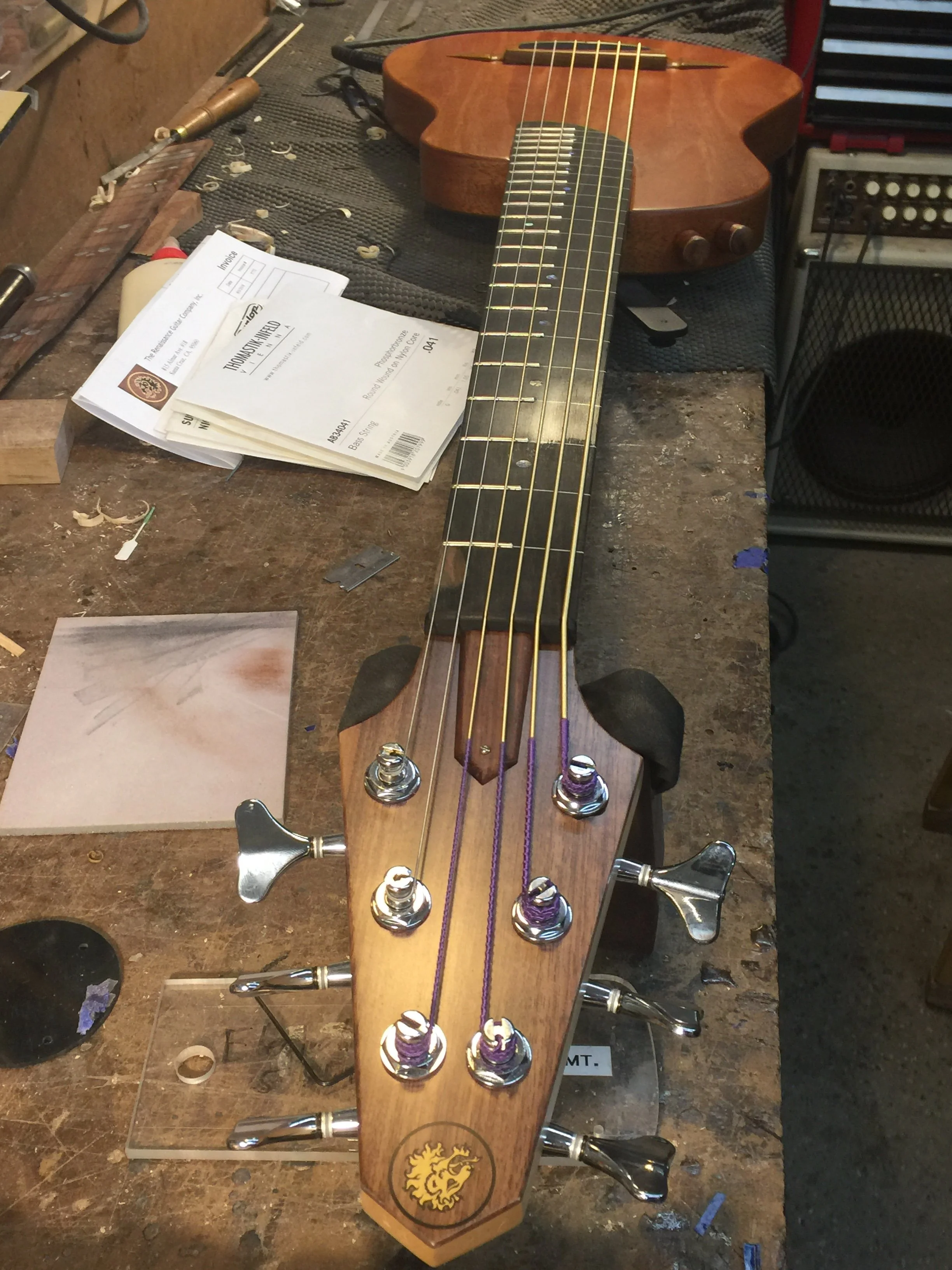
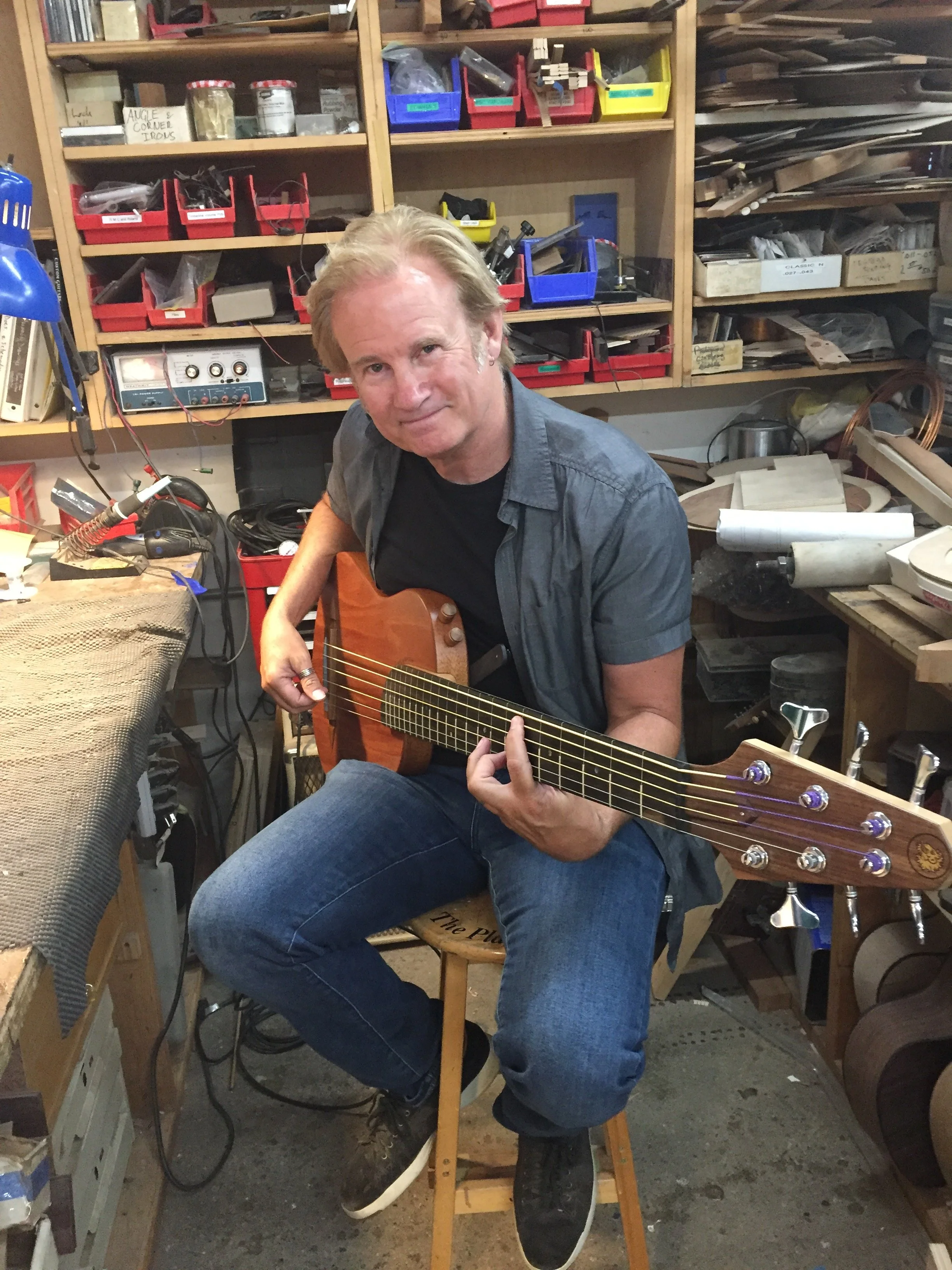
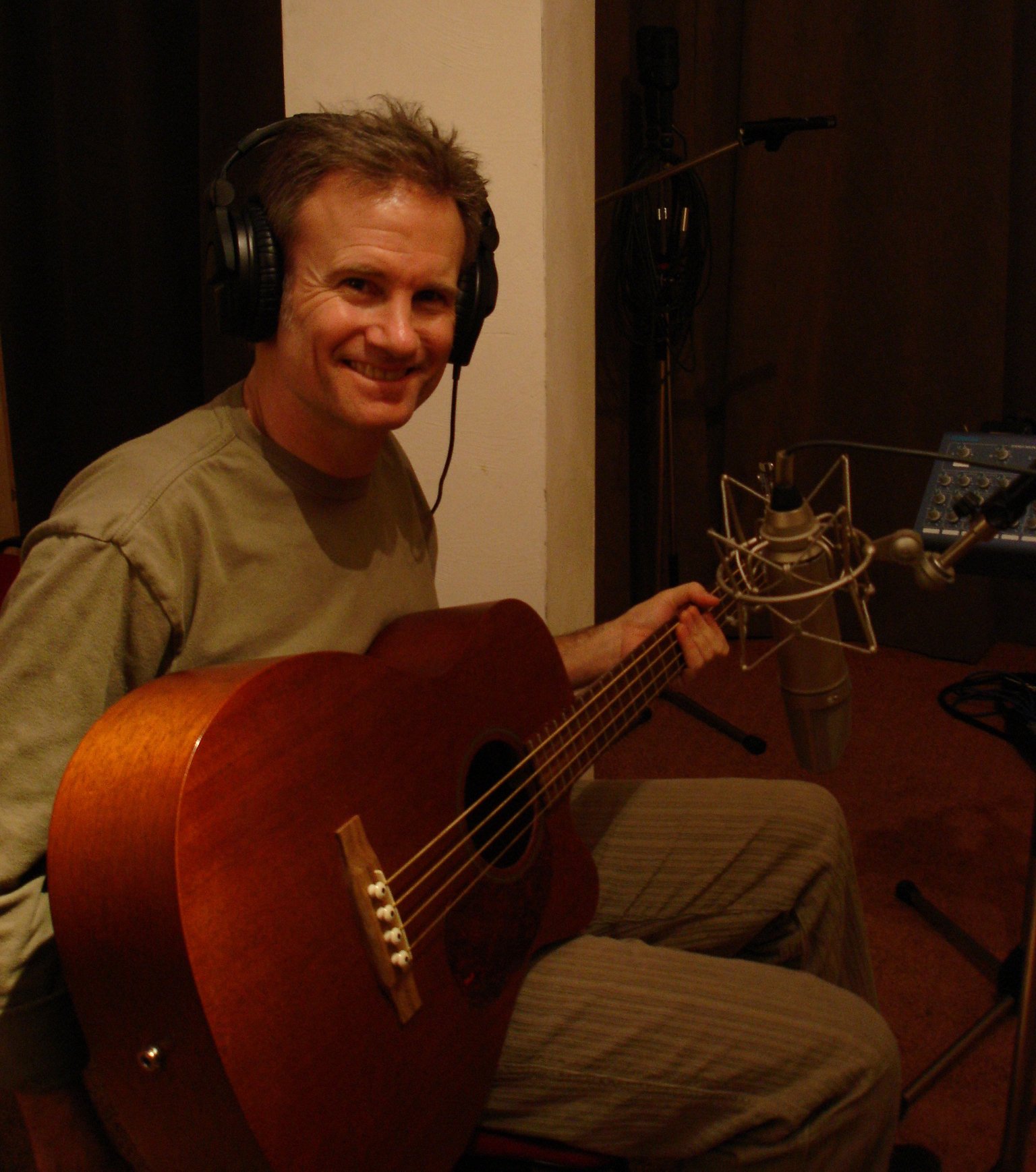
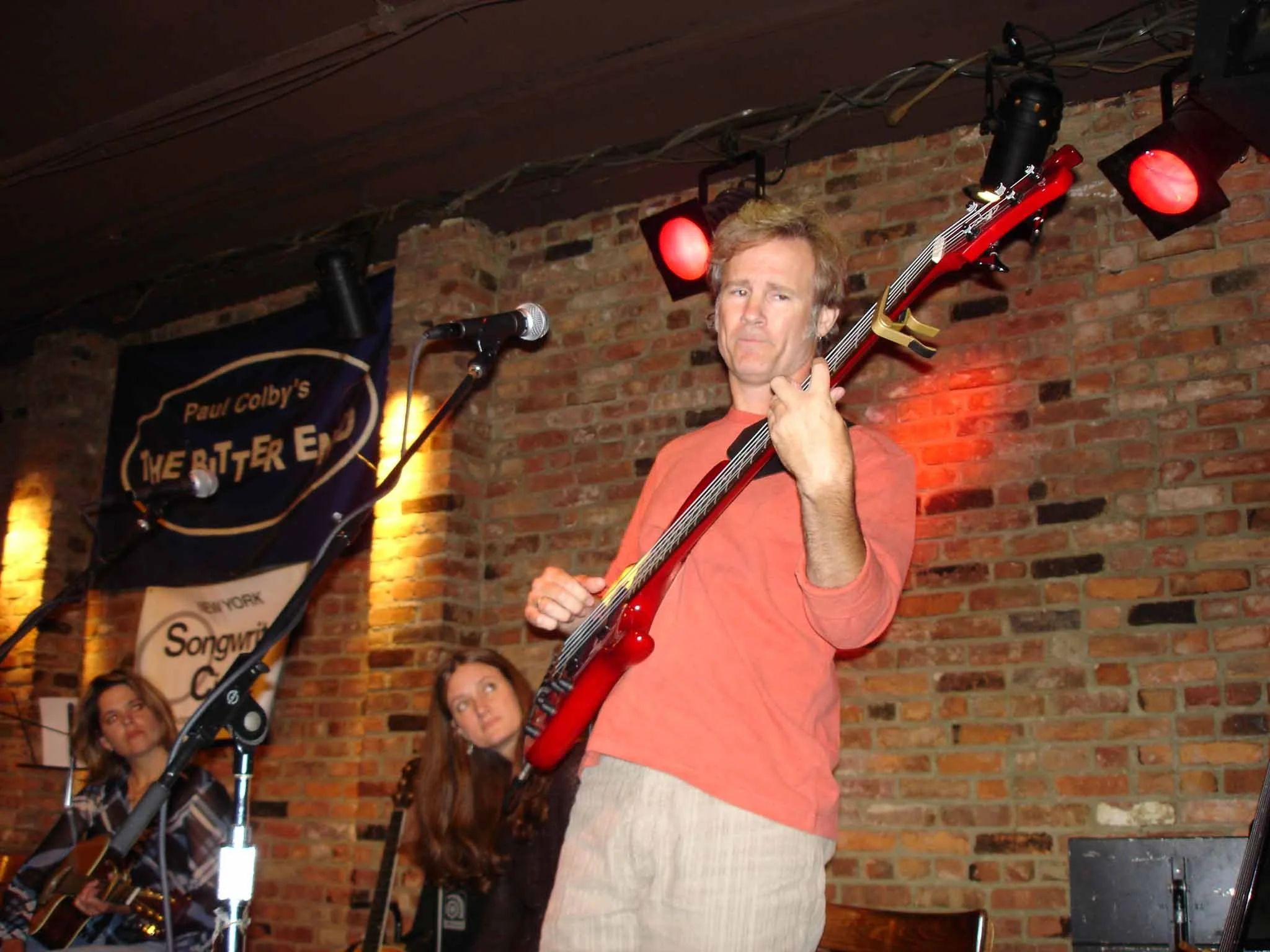
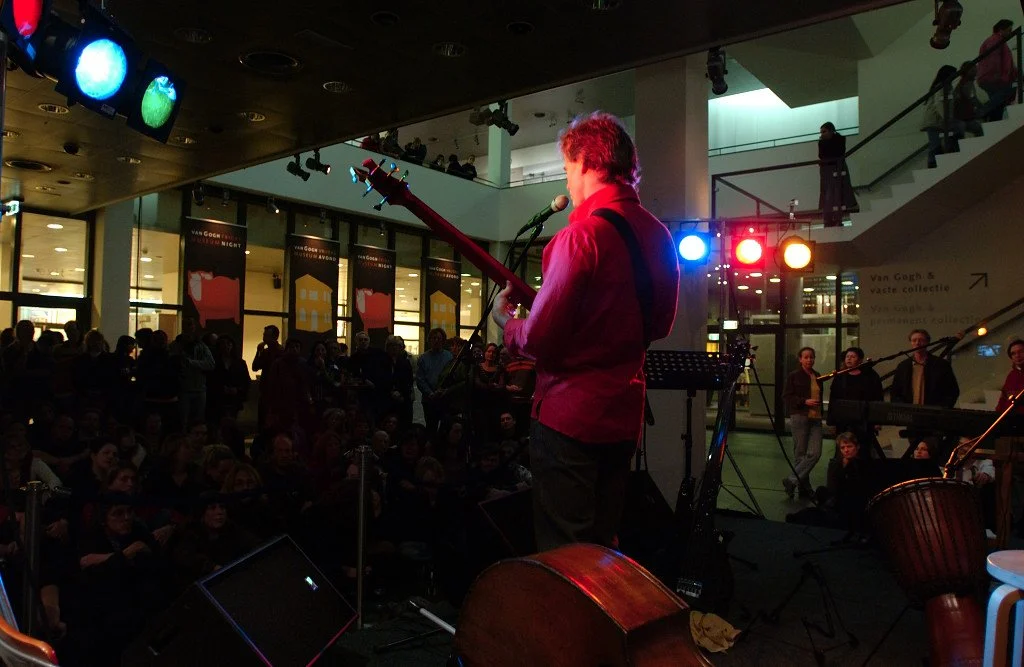
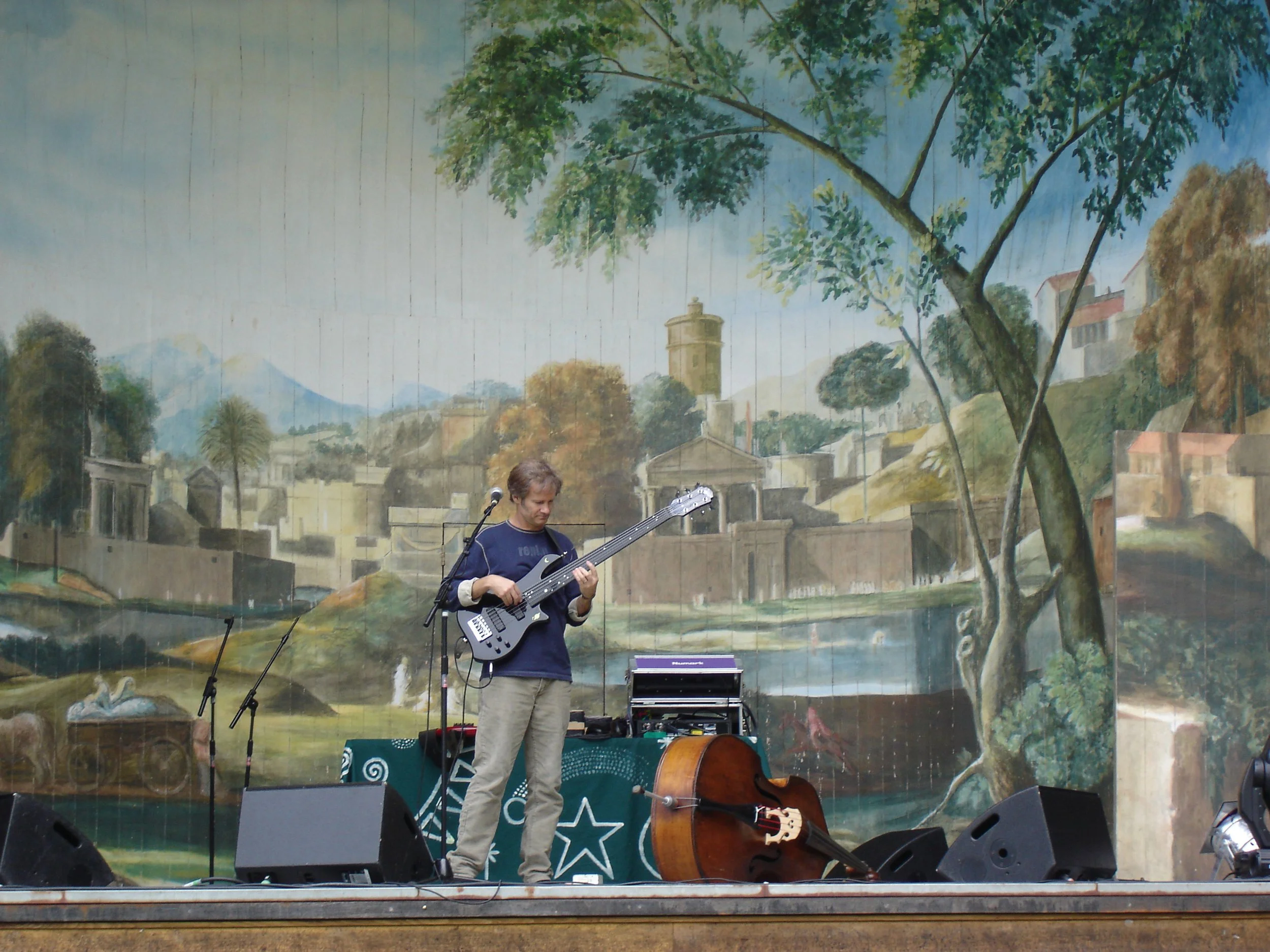
While always centered around his voice and acoustic bass, John’s solo performances have grown to include his bass guitars, acoustic baritone and acoustic nylon string guitars, ukulele, and percussion. John also plays a custom Rick Turner acoustic/electric six string bass/guitar (pictured above) which enables him to play both fretless bass and fretted nylon string guitar parts simultaneously. As well as totally acoustic songs, John also utilizes a loop recorder to create live tracks for his more groove oriented songs and improvisations.
“Nice when a wonderful narrator like John Lester comes along, his voice suspending over the streamlines of his landscapes of sound.” - Westfälische Rundschau, Germany
As a writer, John was awarded the “Song of the Year Award” from West Coast Songwriter’s on two occasions for “The Ways of a Woman” in 1999 and “Botha Blessing and a Curse” in 2001. He has also been awarded Best Jazz Song for “So Many Reasons” and “Best Humorous Song” for his little ditty about dog poo in Paris entitle “Beware La Merde”.
“…life pondering lyrics and a cosmopolitan sense of humor.” -Americana-uk.com
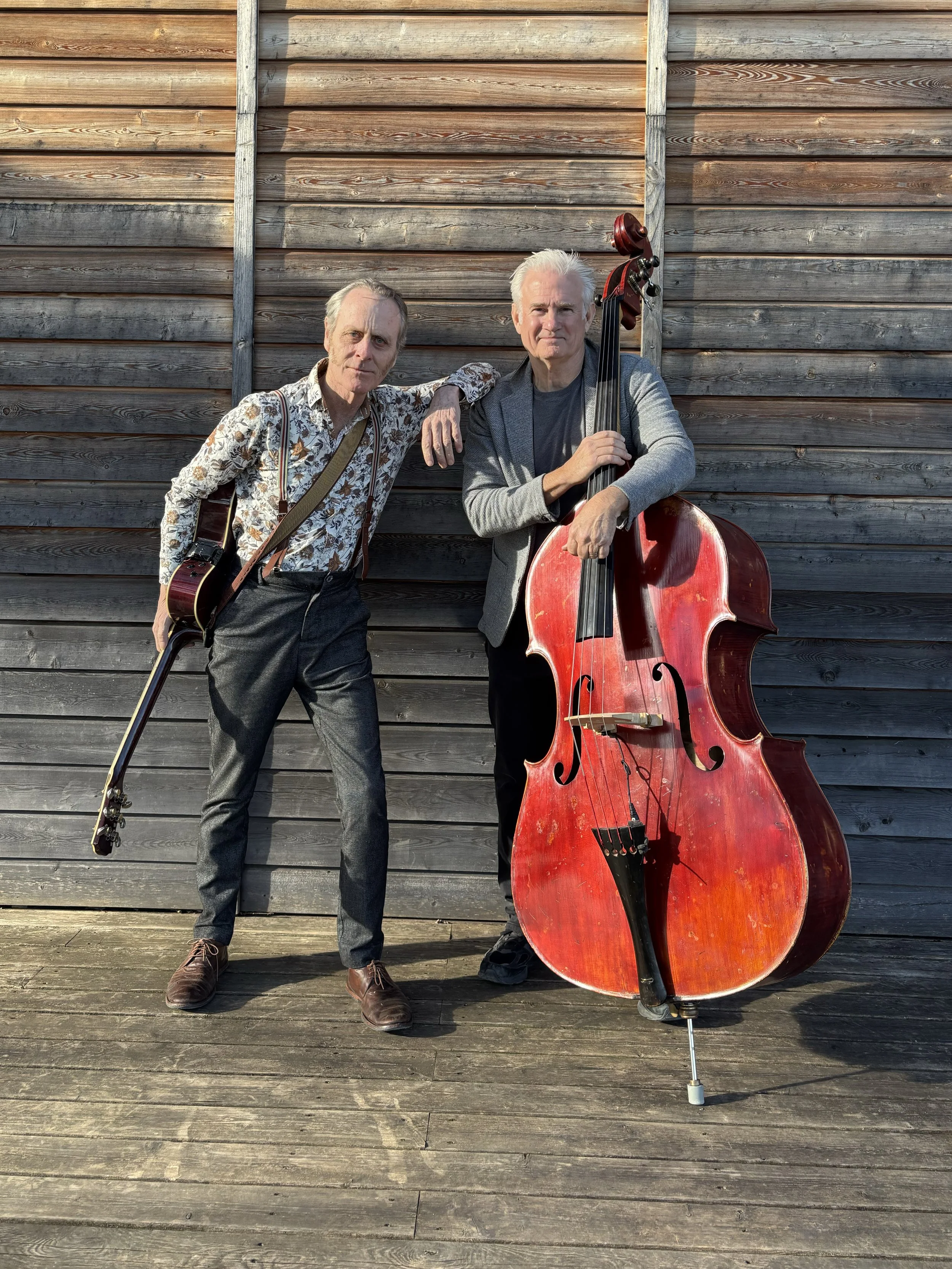
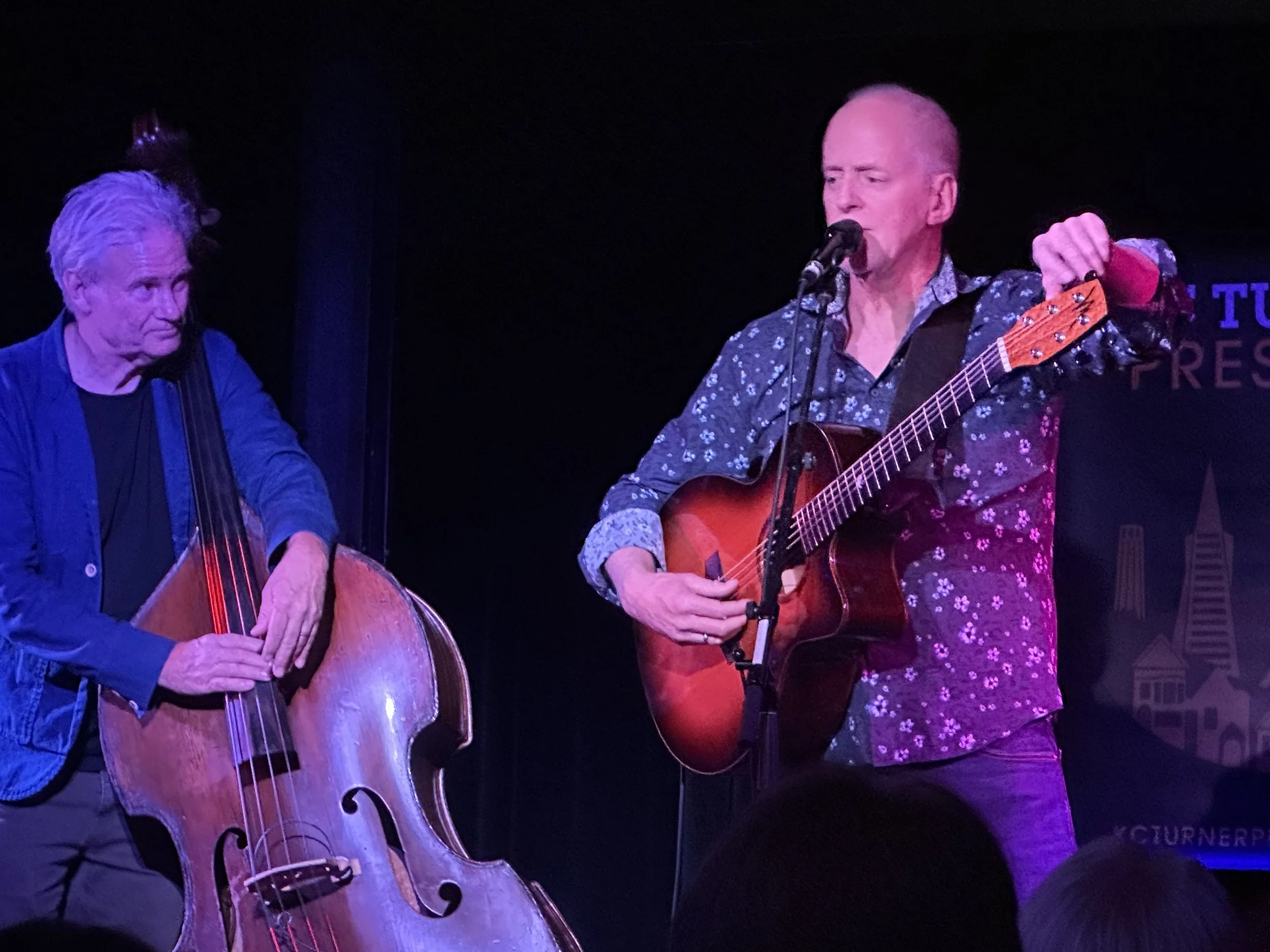
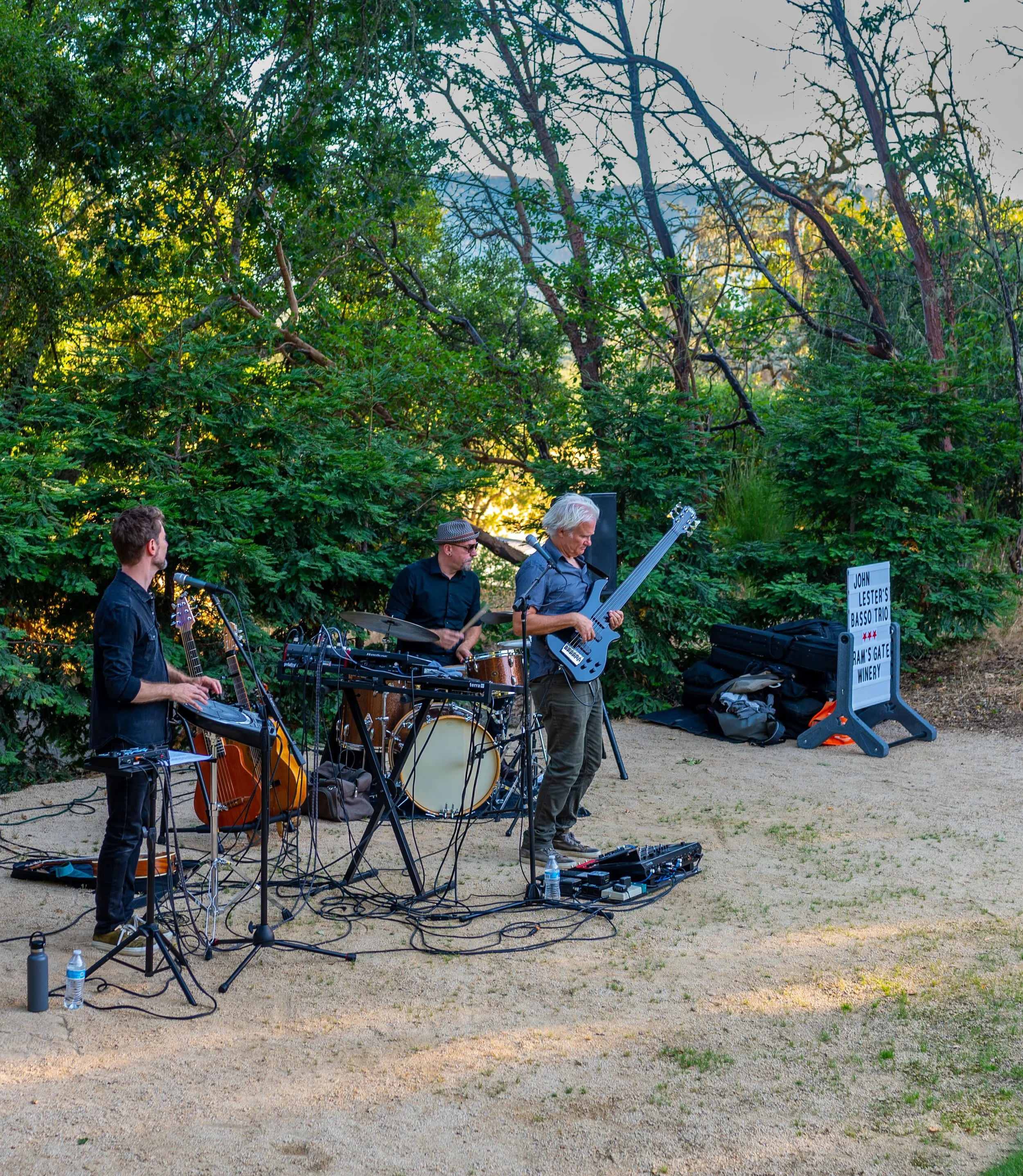
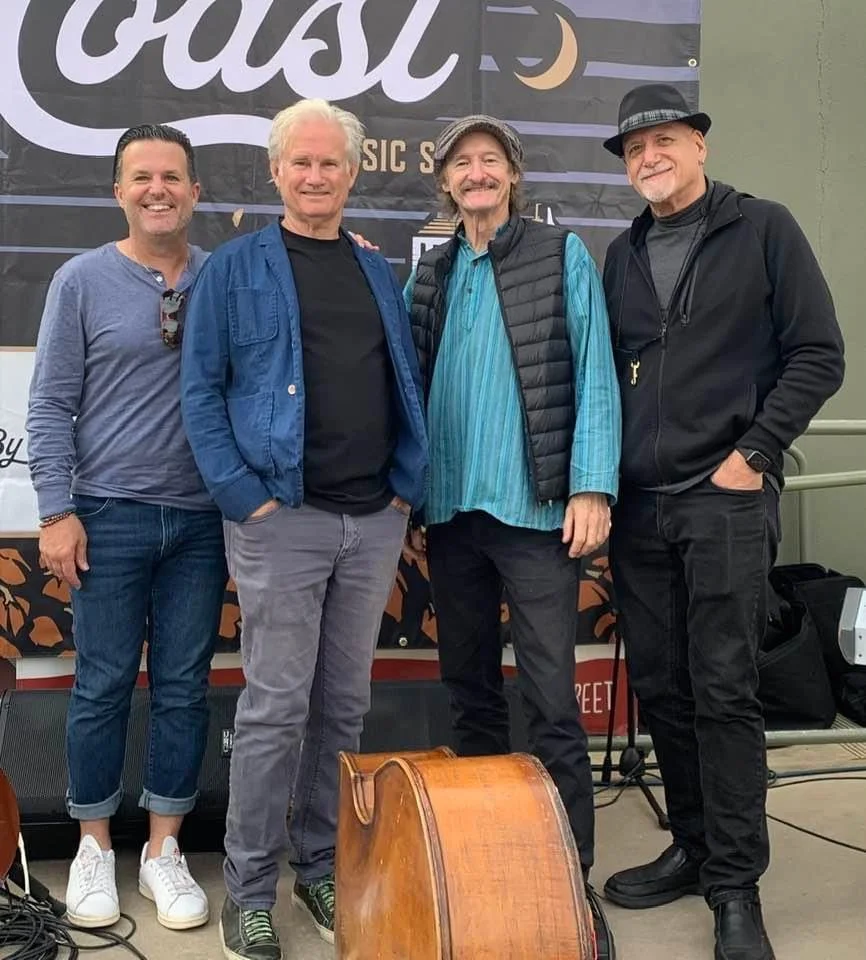
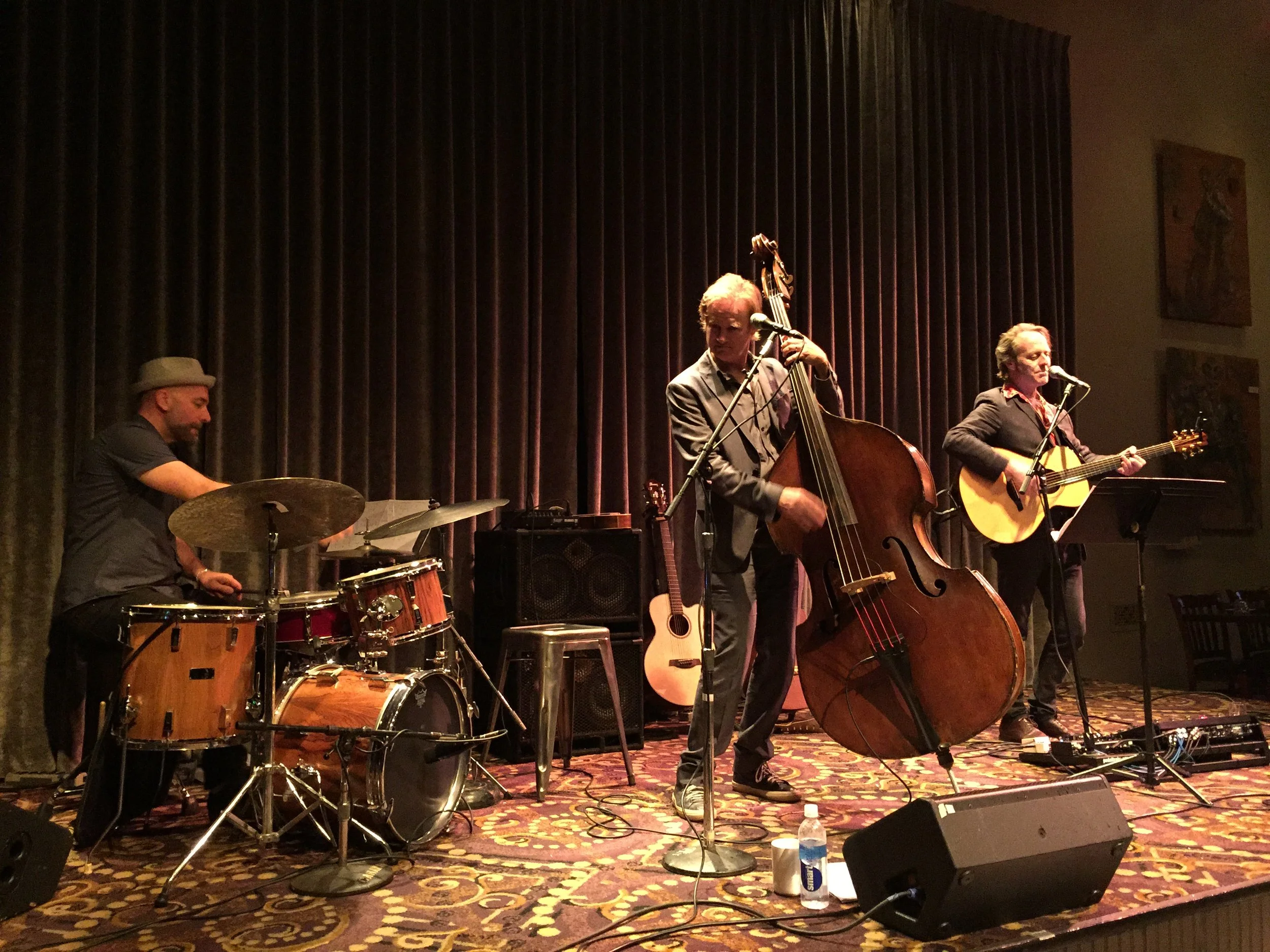
John continues to play solo singer-songwriter performances, duos with guest percussionist/drummers, jazz trios and quartets, and double-bill tours with Irish singer-songwriter Paul Tiernan. He has also recently started playing as bassist/vocalist with the acoustic jam band “Pilgrims of Stoke” in the San Francisco Bay Area.
See the “Shows” page on this site for all upcoming performances.